


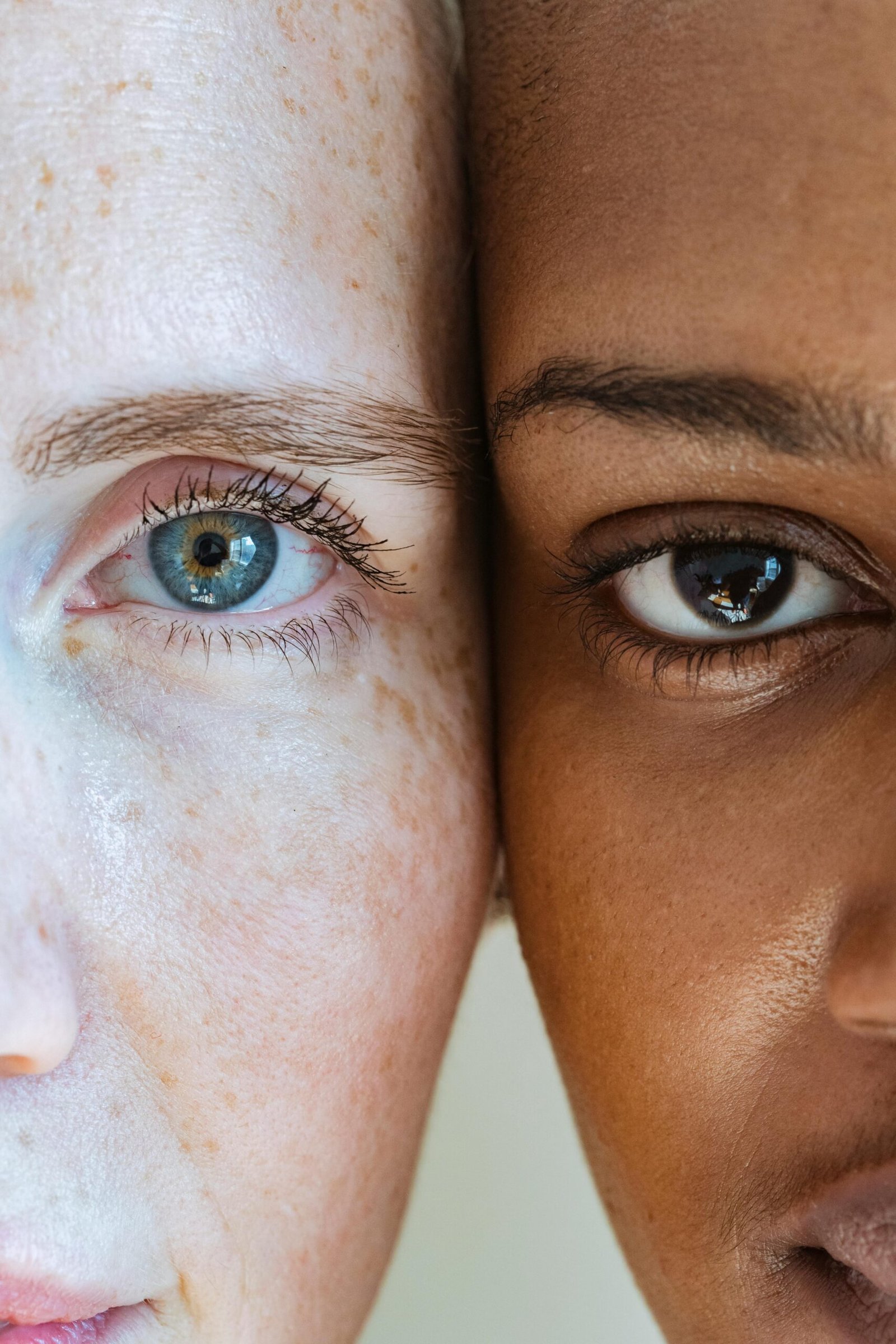
Why IPL Devices Feel Hot is one of the most common questions luxury beauty enthusiasts ask when starting advanced home hair removal, especially those with extremely sensitive skin. Understanding what creates heat in IPL devices and how it impacts delicate skin is essential to making confident, irritation-minimized choices for your self care routine.
If you have sensitive or reactive skin, even minor warmth during IPL can feel intense. This honest guide explains the science, practicalities, and comfort strategies you need before investing in any IPL device.
Key Takeaways
- IPL devices produce heat because their light is absorbed by pigments in your skin and hair, not by malfunction or unsafe design.
- For sensitive skin, selecting an IPL device with advanced cooling and multiple comfort settings is critical to avoid irritation.
- No IPL device is completely “heat-free”–some warmth is a normal part of safe, effective hair removal at home.
- What Does “Why IPL Devices Feel Hot” Really Mean?
- Step by Step: Using IPL Safely on Sensitive Skin
- Understanding IPL Heat: Advanced Analysis and Real World Pitfalls
- Conclusion
- FAQ
What Does “Why IPL Devices Feel Hot” Really Mean?
When users ask “why IPL devices feel hot”, they’re noticing the warmth created when intense pulsed light energy interacts with your skin. Specifically, IPL (Intense Pulsed Light) technology works by emitting broad-spectrum light pulses that are absorbed by natural pigments (chromophores) like melanin in hair or hemoglobin in blood vessels. [source]
This absorbed light is immediately converted into heat, which works to disable the hair follicle. Sensation levels vary: some people feel only brief warmth, while those with extremely sensitive skin may find certain flashes sting or linger uncomfortably for several seconds.
This heat effect is not a sign of faulty construction; it’s intrinsic to IPL’s hair removal mechanism known as selective photothermolysis. The process depends on:
- How much melanin your skin and hair contain
- Device energy setting (Joules and pulse duration)
- Skin’s ability to cool between pulses (thermal relaxation time)
For extremely sensitive skin, heat sensations may trigger redness, tingling, or more pronounced after-effects if not well managed with cooling, correct device choice, and gentle routines. In luxury home self care, understanding this science explains why “low-heat” IPL options are becoming more popular but can never be entirely sensation-free.
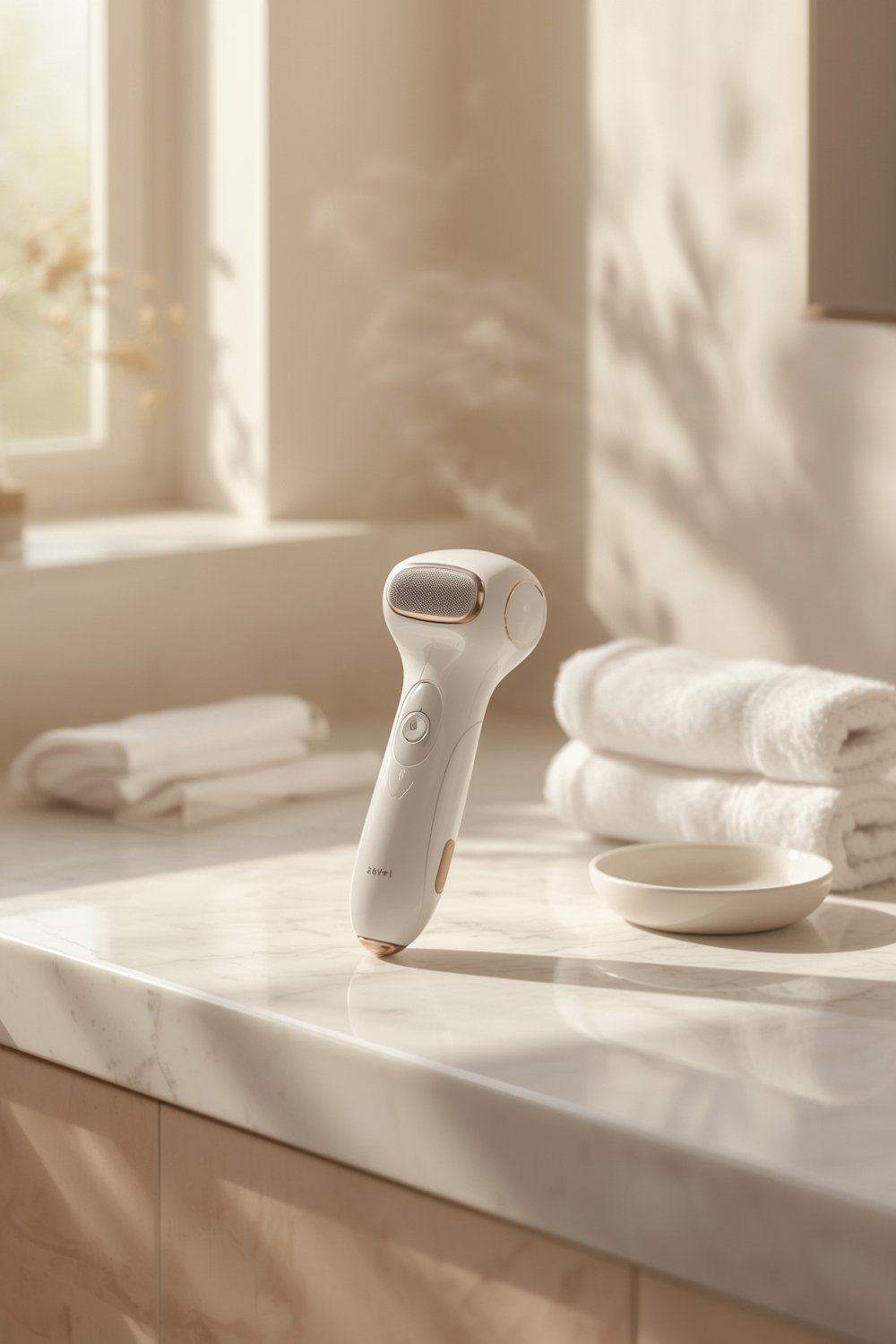
Step by Step: Using IPL Safely on Sensitive Skin
To minimize discomfort and protect your skin, especially when you know why IPL devices feel hot, follow these responsible steps:
Preparation: Setting Expectations and Skin Health
- Shave the area to ensure IPL energy targets the root, not external hair (prevents excessive surface heat).
- Cleanse thoroughly and avoid actives (AHA/BHA, retinol) for 48 hours prior.
- Dry skin completely; never use IPL over wet, oily, or product-layered skin.
Patch Testing: Always Start Small
- Test a low setting on a discreet area—wait 24 hours for reactions.
- Look for redness, burns, itching, or discomfort. If any occur, adjust settings further down or do not proceed.
Choosing Intensity: Less Is More for Sensitivity
- Begin with the very lowest energy level. For most home IPLs, this is “Level 1”.
- Increase only if skin tolerates without stinging, intense warmth, or irritation.
- Devices with extra comfort/cooling modes are preferred for this skin type.
Treatment Pacing: Space Pulses and Sessions Strategically
- Don’t rush: pause between flashes to allow your skin to cool (several seconds between spots).
- Take longer rest periods between treatment rows or larger areas.
- Follow your device’s recommended schedule—never treat more frequently than advised.
Post Session Care: Calming and Recovery
- Apply cool gel packs or a fragrance-free, hydrating gel immediately after.
- Avoid heat (showers, saunas, steam) and direct sun for 48 hours post-treatment.
- Moisturize regularly and gently. Skip actives for at least 48 hours.
Consistency Over Time: Build Gradually
- With regular treatment your skin may become more accustomed, allowing gradual safe increases in intensity.
- Pushing too hard too early increases risk of burns or hypersensitivity—be patient with results.
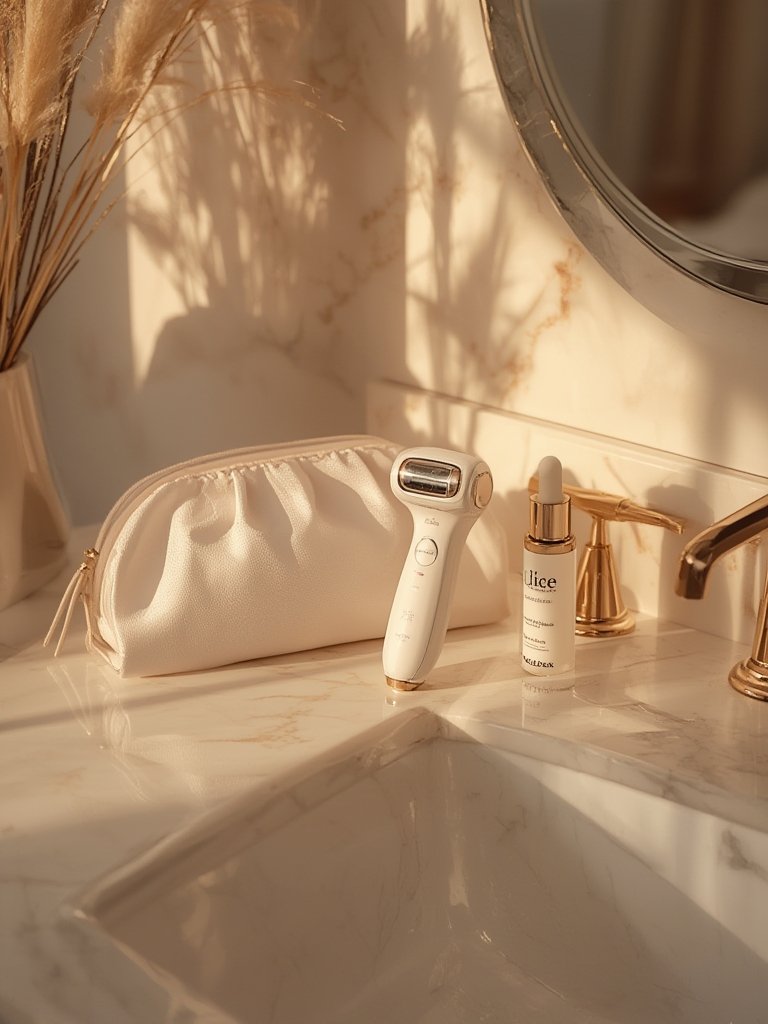
Understanding IPL Heat: Advanced Analysis and Real World Pitfalls
The research on why IPL devices feel hot reveals several key realities:
- Heat is expected: IPL’s entire process works by heating pigment, which inevitably results in a sensation of warmth on the skin.
- Device and user factors: Energy settings, pulse speed, skin contact pressure, and device cooling features all influence heat perception.
- Cooling works–to a point: Internal fans, cooling windows or contact gel reduce but do not eliminate all heat. Some skin types will still react more strongly.
Skin Tone and Hair Color Constraints
People with high melanin levels (darker skin tones) may experience stronger heat because their skin absorbs more IPL energy. Likewise, light-blonde, red or grey hair may see little heat sensation but also less effect, as these contain less pigment for IPL to target.
Heat Buildup and Discomfort
Multiple pulses in a small area can gradually raise skin temperature, especially if you do not allow for cooling time between flashes. Sensitive skin also tends to react with redness, swelling, or tingling if overexposed.
Why Results Vary
Results and comfort levels differ due to:
- Natural skin sensitivity
- Device quality and technological updates
- Regularity of use and gradual adaptation
- Proper skin and device care (clean windows, unbroken surface, following protocols)
Unfortunately, clear data connecting specific energy or comfort settings with adverse reactions or pain scale differences between device models and skin types is still lacking in published research.
For deeper details on cooling advancement and IPL comfort science, see authoritative resources at NCBI IPL Overview and EyeWiki IPL Therapy.
| Factor | Effect on Heat/Sensitivity | Best Practice |
|---|---|---|
| Device Energy Setting | Higher = more heat, higher risk | Start lowest possible |
| Skin Tone | Darker = absorbs more heat | Use approved devices for your tone |
| Device Cooling | More cooling = less discomfort | Seek advanced cooling features |
Conclusion
When exploring luxury home hair removal, understanding why IPL devices feel hot is essential if you want the safest possible experience — especially for extremely sensitive skin. IPL devices create heat naturally by design to disable hair follicles. Advanced cooling, informed settings, and gentle routines help manage warmth but cannot remove it entirely. Results and sensation will always vary by individual and device. Continuing your research and comparing models purpose-built for comfort will help you avoid disappointment and irritation.
Ready to discover IPL devices rated for comfort and sensitive skin? Compare our in-depth reviews: View premium IPL hair removal device reviews here.
Want step-by-step sensitive skin guidance? Follow our expert guide here.
For more IPL hair removal results
FAQ
Is it normal for IPL devices to feel warm or hot during treatment?
Yes. Some heat or warmth is normal with all IPL devices, as they rely on light energy converting into heat within the skin and hair follicle. The sensation may be brief or linger, and can feel more intense for sensitive skin. If you experience burning or extreme pain, stop use and check your settings, device contact, or consult a professional.
What is the safest IPL setting for extremely sensitive skin?
Always begin with the lowest energy setting available. Every reputable home IPL should offer adjustable levels. If discomfort or redness appears, do not increase intensity. Devices with ice cooling or contact cooling plates are particularly helpful for sensitive skin types.
How do I know if IPL heat means my device is unsafe?
Brief warmth is expected, but severe pain, blisters, or burns are not normal. If the device feels excessively hot to the touch or leaves marks, discontinue use immediately. Clean the treatment window, confirm the settings, and consult manufacturer advice or a dermatologist if in doubt.
How long does heat or redness last after IPL hair removal?
Most redness or heat sensations resolve within a few hours. For extremely sensitive skin, mild pinkness may persist up to 24 hours. Persistent irritation or inflammation signals overexposure or improper aftercare—apply cool compresses and moisturize gently.
Can IPL be safely used on very fair or very dark skin?
Some IPL devices are designed for a range of skin tones, but not all are safe for very dark or very fair skin. Heat can build up faster on dark skin due to higher melanin absorption, increasing risk. Always verify your device’s specifications and patch test carefully before treating larger areas.