


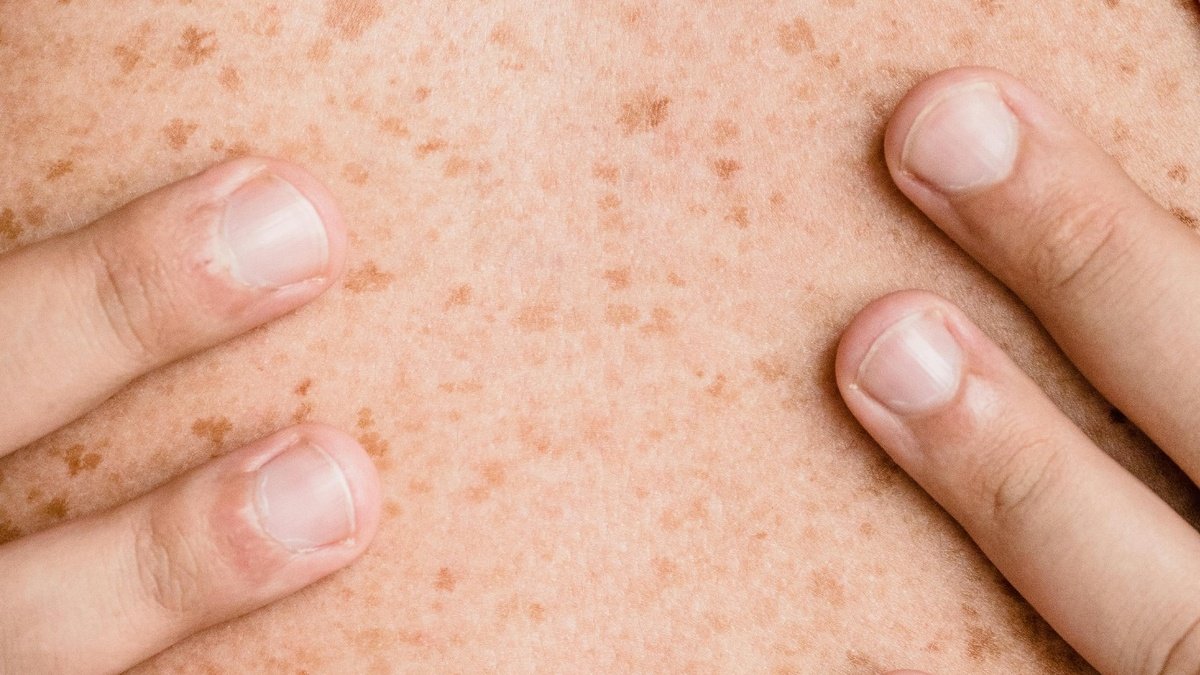
ipl hair removal for extremely sensitive skin : master guide is one of the most requested topics in luxury home beauty technology. If you have extremely sensitive skin, you know irritation, redness, and discomfort can turn self care into a challenge. This guide delivers current, realistic advice, so you can safely explore at-home IPL devices with full awareness of both the benefits and the limitations, making an informed and gentle investment in smoother skin.
Key Takeaways
- IPL devices at home cause mild temporary redness in most users, but serious side effects are rare when used as directed.
- Look for IPL devices with customizable energy settings and patch test protocols to refine comfort for sensitive skin.
- Results and sensitivity vary; you may need patience, adaptation, and attentive care during each session.
- What is IPL Hair Removal for Extremely Sensitive Skin?
- How To Use IPL Hair Removal for Extremely Sensitive Skin: Step by Step
- Advanced Analysis, Limitations, and Common IPL Pitfalls
- Conclusion
- Frequently Asked Questions
What is IPL Hair Removal for Extremely Sensitive Skin?
IPL hair removal for extremely sensitive skin means adapting intense pulsed light (IPL) treatments so those with heightened reactivity, irritation risk, or known dermatologic sensitivities can safely use these home devices. IPL technology functions by sending controlled pulses of broad-spectrum light into hair follicles, gently weakening growth over time. For sensitive skin, every detail—from prep to aftercare—matters even more. know more
Clinical evidence shows that while transient redness and swelling are nearly universal (seen in up to 99% of patients after IPL usage), these reactions are temporary and typically resolve within a day or two. Serious complications are rare among properly screened users [source]. That said, existing studies intentionally exclude individuals with eczema, psoriasis, or severe sensitivities, so there is limited direct research for this population. more safety
Within luxury self care routines, IPL is appealing because it offers the possibility of reduced hair regrowth without daily maintenance, razors, or wax. However, patience is required—results build slowly across multiple sessions, and for sensitive skin there are extra steps to minimize risk and maximize comfort. Structured protocols, device choice, and proper aftercare become nonnegotiable parts of your home beauty ritual. for more results
How To Use IPL Hair Removal for Extremely Sensitive Skin: Step by Step
Preparation
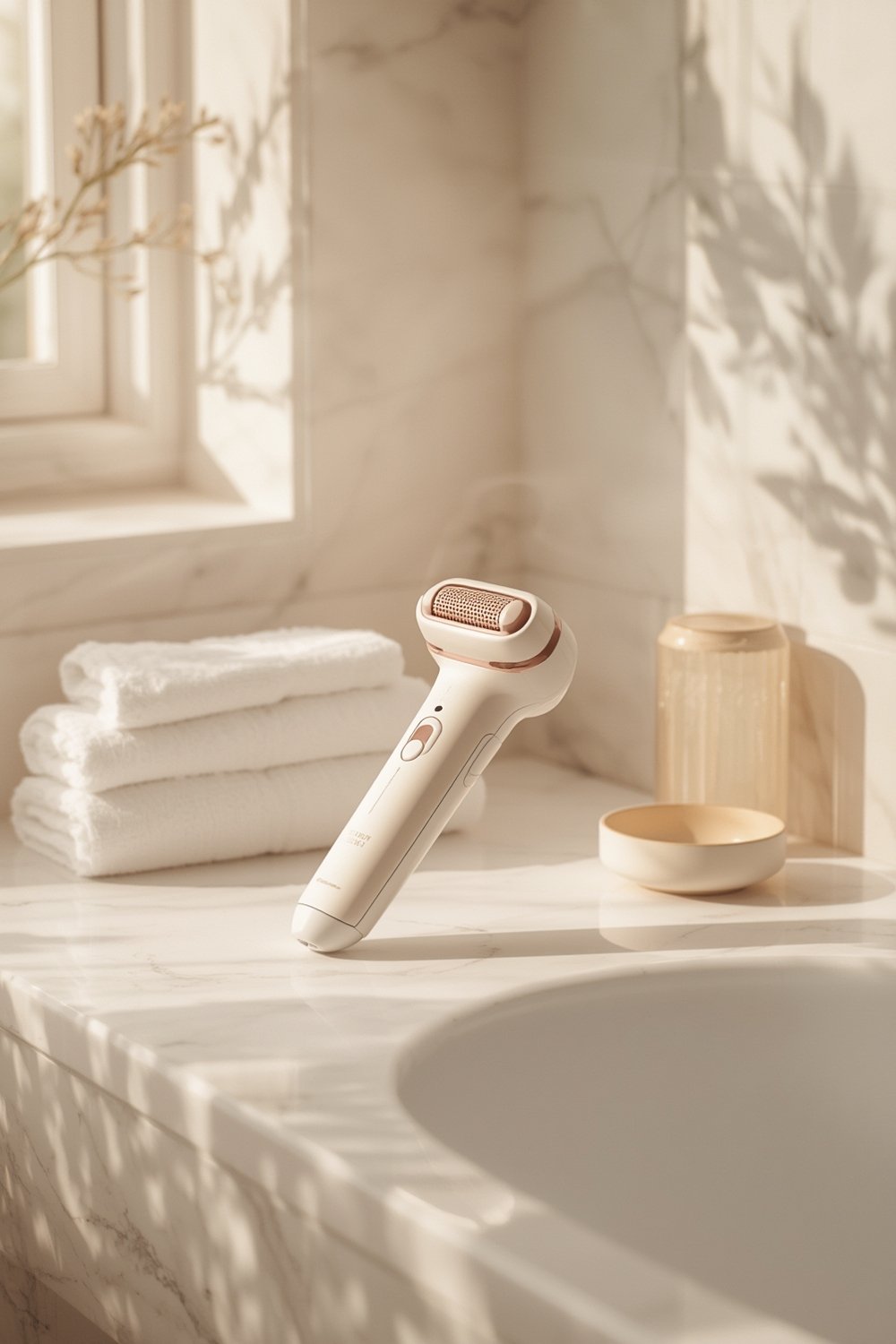
Start by selecting an IPL device with multi-level energy controls and clear patch testing guidance. Ensure the device supports your skin tone and hair color combination.
Four weeks before starting, avoid tanning, waxing, harsh exfoliants, and retinoids in the treatment areas. Clean, dry, and gently shave the area within 24 hours of each IPL session—never treat broken or irritated skin.
Patch Testing
Apply a single low-energy test pulse to your darkest treatment area. Wait 15 minutes. If skin remains calm, repeat with one energy level higher on adjacent skin. If any irritation or redness appears that does not resolve quickly, drop to the lower energy or reconsider IPL usage. This protocol, proven in clinical studies, helps personalize safety for your unique reactivity [source].
Choosing Intensity
Begin with the lowest comfortable setting. Sensitive skin almost always tolerates less energy per flash than standard skin. Repetition and consistency will still build results over time. Never exceed your patch tested tolerance—true results come from routine, not from pushing limits early on.
Treatment Pacing
For the first several sessions, space treatments every two weeks or exactly as the brand recommends for highly sensitive skin. This interval allows your skin to recover in full and makes it easier to monitor for delayed irritation or excessive drying between sessions.
Post Session Care
Soothe with a fragrance free aloe vera gel or gentle cold pack right after treatment. Avoid perfumes, acids (like AHA/BHA), retinoids, waxing, and sun exposure on the treated area. Generous, hypoallergenic moisturizer and diligent sunscreen shielding are essential for all skin types, but especially so if you are sensitivity prone.
Consistency Over Time
Noticeable hair reduction can begin after three or four complete sessions, with optimal routine outcomes taking as long as six to twelve months for sensitive skin. Such progress is gradual: persistence, realistic expectations, and gentle product usage are the keys. you can try this one for good results.
Advanced Analysis, Limitations, and Common IPL Pitfalls
Luxury IPL routines for sensitive skin succeed only when users understand real world constraints. Not all devices are designed for every skin type or tone. High quality brands include adaptive energy sensors and detailed compatibility guides—often restricting usage for darker skin (Fitzpatrick V and VI) to avoid excess heating or burn risk [source].
Unfortunately, the very people most eager for at-home smoothness—those with conditions like eczema or reactive dermatitis—remain mostly unstudied in formal device trials. Most research excludes anyone with a history of major flare reactions, so results cannot guarantee equal safety across all sensitive skin presentations.
Heat buildup is another universal concern. IPL heads may become warm after repeated use, especially during prolonged session windows. For sensitive users, this can escalate to stinging or blotchy redness if skin is not properly cooled or cared for between flashes. Modern professional lasers integrate advanced cooling, but home devices may only offer basic comfort features.
Finally, expectations must match reality. Individual hair reduction rates can fluctuate from 40% to 75% at follow up, depending on area treated, routine adherence, and device choice [source]. Hair color also matters: IPL is not effective for white, red, or very pale fine hairs, and most luxury models state this plainly in their documentation.
| Factor | IPL Impact for Sensitive Skin | Key Limitation |
|---|---|---|
| Skin Tone | Best for Fitzpatrick I-IV (light to light-medium) | Darker tones have higher risk of burns or pigment changes |
| Hair Color | Dark brown/black hair responds best | Little effect on white, grey, or red hair |
| Device Cooling | Many home devices have minimal cooling | Professional-style cooling rare in home-use IPL |
| Known Skin Conditions | Most trials exclude eczema/psoriasis cases | No reliable clinical data for these populations |
| Session Schedule | Longer intervals may be needed for sensitive skin | Too frequent use can cause cumulative irritation |
Conclusion
In summary, IPL hair removal for extremely sensitive skin : master guide routines demand methodical preparation, highly individualized energy settings, and attentive aftercare. While clinical studies show mild, temporary redness is common, long term serious problems are rare in general populations—though evidence for those with true dermatologic sensitivities is limited. Home IPL provides a pathway to smoother skin when expectations are managed, comfort is prioritized, and each step honors your skin’s reactivity. For next-level routine optimization, compare top models and evidence-based care in our best IPL device for sensitive skin reviews.
Frequently Asked Questions
Is at-home IPL safe for extremely sensitive skin?
For most people, at-home IPL is safe when devices are used as directed. However, no published trials specifically test IPL on those with active eczema, psoriasis, or severe reactive dermatologic conditions. Always patch test judiciously and consult a dermatologist if you have doubts.
How can I reduce irritation after an IPL session?
Apply a fragrance free cooling gel, avoid hot water or harsh cleansers, and never expose the treated area to sun or perfumed lotions for at least 24 hours. Consistent moisturizing is important. See additional aftercare advice in How Long To Avoid Perfumed Lotion After IPL On Sensitive Skin.
How soon will I see results from IPL on sensitive skin?
Hair reduction typically appears after 3 to 6 properly spaced sessions, but timelines lengthen with sensitive skin due to lower energy settings and longer rest intervals. Noticeable results may require several months of routine use.
Are there certain IPL devices better suited for sensitive skin?
Yes. Devices with customizable energy levels, built-in cooling, and hypersensitive mode are often preferred. Explore top choices and comparisons in our best IPL device with cooling guide.
What are the main contraindications for IPL use?
Do not use IPL devices on skin with active eczema, psoriasis, infections, open lesions, tattoos, or during pregnancy. Always review the manufacturer’s contraindication list before purchase or use.