


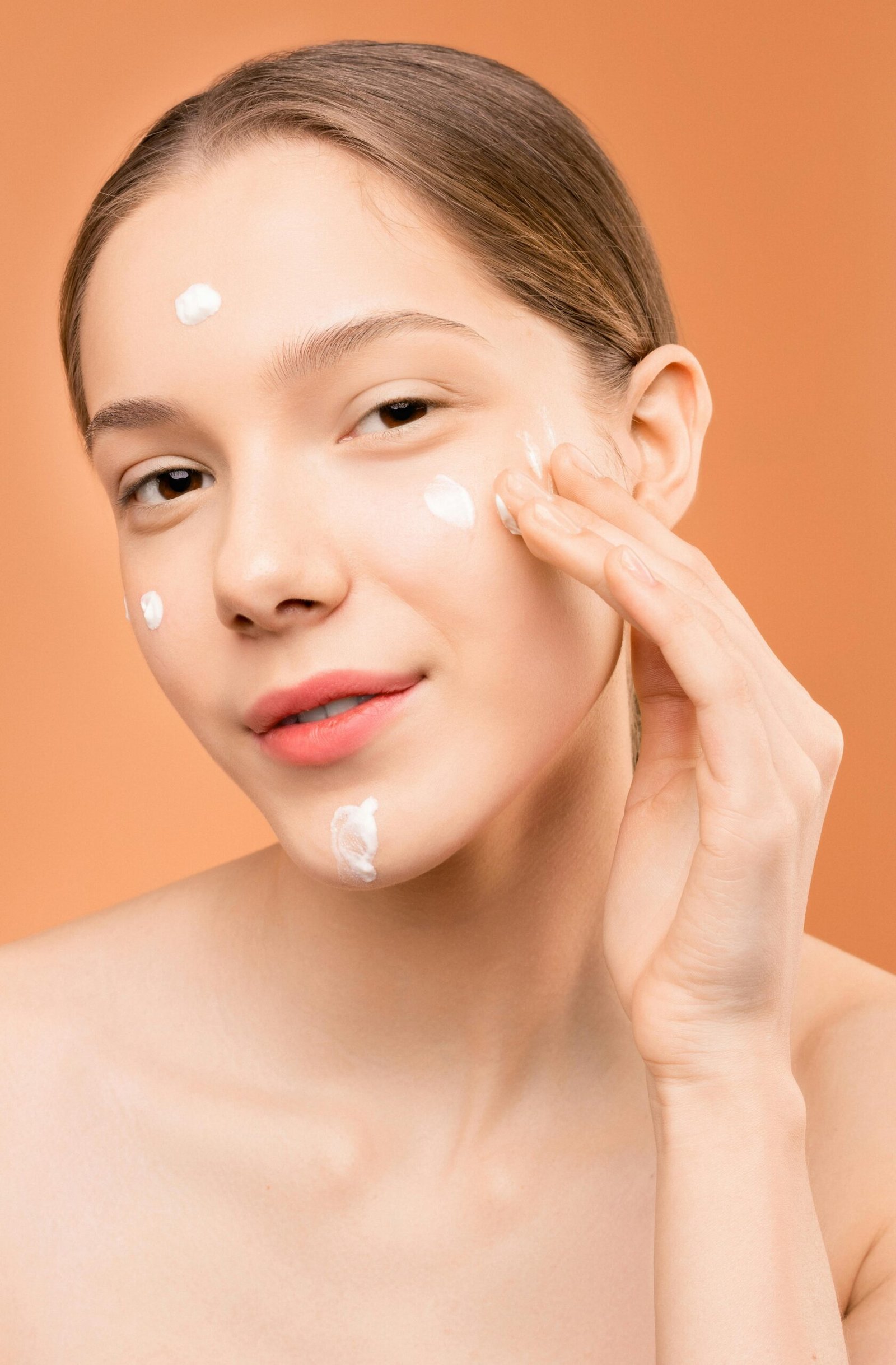
IPL hair removal for sensitive skin is gaining attention as a sophisticated at-home solution for those seeking premium, gentle alternatives to salon visits. For discerning beauty enthusiasts, understanding how the latest IPL technology interacts with delicate skin is key to elevating your self-care while minimizing irritation. Today’s luxury devices promise ease, performance, and safety, but there are unique limitations and considerations for sensitive skin types that every buyer should know before investing.
Key Takeaways
- IPL devices work by targeting melanin in hair follicles, offering gradual hair reduction with ongoing use.
- Choosing a device with sapphire ice-cooling plates and skin tone sensors helps sensitive skin users minimize irritation and achieve comfortable sessions.
- Results vary—buyers should expect slow, incremental results and may require ongoing touch-ups for maintenance, especially on sensitive areas.
- What Is IPL Hair Removal for Sensitive Skin?
- Step-by-Step Guide: Using IPL for Sensitive Skin at Home
- Advanced Analysis and Common Pitfalls
- Conclusion: Is IPL Right for Sensitive Skin?
- Frequently Asked Questions
What Is IPL Hair Removal for Sensitive Skin?
IPL hair removal for sensitive skin refers to using Intense Pulsed Light technology at home to reduce unwanted hair in a way that treats delicate skin with maximum care. In luxury routines, this means choosing devices that combine advanced safety features with effective performance, making the experience both comfortable and sophisticated. IPL works by emitting pulses of broad-spectrum light that target the pigment in hair follicles, leading to gradual regrowth reduction over time.
Premium at-home IPL devices have evolved to serve sensitive skin users with innovations like sapphire ice-cooling plates and skin tone sensors. These features adjust the strength and feel of each flash, minimizing the risk of redness or overheating common with older models. Unlike waxing or threading, which can trigger inflammation or ingrown hairs, IPL provides a contactless solution that is more compatible with sensitive, easily irritated skin when used as directed. However, those with very dark skin or very light hair should be aware of ongoing compatibility limits regardless of device price point or marketing claims.
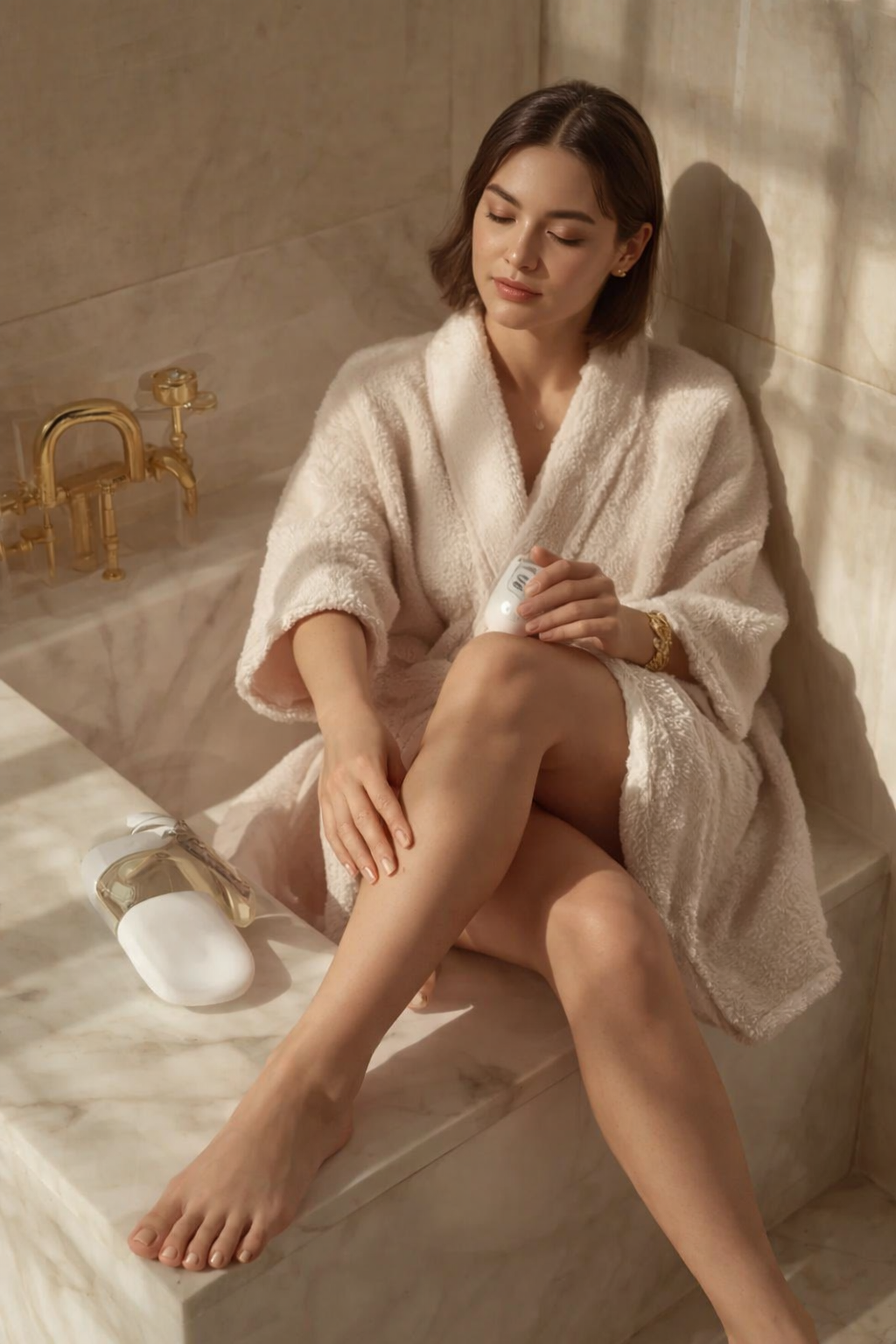
Step-by-Step Guide: Using IPL for Sensitive Skin at Home
For sensitive skin, successful at-home IPL begins with careful preparation and mindful technique. Here’s how to achieve optimal results with minimal discomfort:
- Check your compatibility: Review device charts for your skin tone and hair color. IPL works best for light to medium skin tones and dark hair. Darker skin tones and very light, blonde or red hair may not be suitable due to melanin targeting limits (Braun: IPL Safety).
- Prepare your skin: Shave the area first (do not wax or tweeze), and avoid using alcohol-based skincare products, retinoids, or chemical exfoliants beforehand. Skin must be clean and dry.
- Select gentle settings: Choose devices with a ‘gentle’ or ‘sensitive’ mode, especially on the face or bikini line. Let skin tone sensors (like SensoAdapt™) guide the energy level for each flash (Ulike Blog: IPL Hair Removal).
- Mind your pace: Treat each target area with no more than three flashes per section to avoid overheating. Move methodically, avoiding overlap.
- Aftercare is key: Soothe treated areas with aloe vera or shea butter. Skip perfumed products and limit sun exposure for 12-24 hours after each session to prevent pigmentation changes.
- Repeat sessions consistently: Most devices require weekly to biweekly treatments for several months, followed by occasional touch-ups. Patience is essential as results build gradually.
- Monitor your response: Monitor for prolonged redness or irritation. If persistent reactions occur, discontinue use and consult a dermatologist, especially if you have pre-existing photosensitive or chronic skin conditions.
💡 Pro Tip: For extra comfort, store your IPL device with an ice-cooling attachment in a cool, dry place and use sessions in the evening to avoid inadvertent sun exposure after treatment.🔥 Hacks & Tricks: Apply a gentle, fragrance-free cooling gel immediately after IPL for sensitive areas to calm any mild tingling or redness. This adds a spa-like finish to your at-home session.
Advanced Analysis and Common Pitfalls
Even with leading-edge luxury devices, some risks and limitations persist for IPL hair removal for sensitive skin. Not all buyers experience flawless outcomes, and it’s vital to be aware of common sources of dissatisfaction and mistakes:
- Skin Compatibility Issues: IPL remains least effective and can cause increased risk of irritation for Fitzpatrick VI (very dark) skin or very pale hair (light blonde, red, grey). Despite recent transparency from major brands like Braun, Ulike, and Philips (Innerbody: Best IPL Devices), not all marketing is equally clear. Always consult official charts and avoid devices lacking detailed safety guidance.
- Overuse and Overlapping Flashes: Treating the same skin section multiple times in a row may trigger temporary redness, tingling, or even pigment changes, especially with sensitive skin. Devices with built-in sensors and cooling technology reduce, but do not eliminate, this risk.
- Unrealistic Expectations: IPL is a commitment. Buyers should not expect instant results or total hair removal. Instead, hair regrowth should become finer and slower over time. Maintenance sessions are necessary.
- Device Features Lacking Scientific Backing: While features like “FDA-cleared” or “pain-free” are widely claimed, actual pain response and side effects are individual and not guaranteed. Many “gentle use” claims in top guides repeat generic advice that is not always backed by clinical data (Women’s Health: Best IPL Devices).
- Frustrations in Sensitive Users: While most sources report only mild, temporary redness and irritation (about 15 percent of first-time users, typically from incorrect use), persistent redness or incomplete results in some areas may discourage continued use (Braun: IPL Safety).
| Device Feature | Benefits for Sensitive Skin | Limitations/Realities |
|---|---|---|
| Sapphire Ice Cooling | Reduces surface heat; enhances comfort | Does not fully prevent all redness or tingling |
| Skin Tone Sensors | Prevents inappropriate intensity levels | Limited effectiveness for darkest skin tones |
| ‘Gentle’ or ‘Sensitive’ Mode | Lower energy reduces irritation risk | May require more frequent sessions for results |
| FDA Clearance | Meets safety standards | Individual outcomes vary; not all claims are fully evidence-backed |
Conclusion: Is IPL Right for Sensitive Skin?
IPL hair removal for sensitive skin offers a promising, luxury-at-home alternative for those seeking long-term hair reduction with enhanced comfort. The latest technology—automatic sensors, cooling plates, and precise intensity modes—makes modern devices safer for sensitive users than previous generations. However, realistic expectations are essential: results are gradual, ongoing care is required, and some users may experience mild, temporary redness. Confirm your skin tone and hair color suitability, seek devices with robust safety credentials, and always read manuals with care.
For a full guide to extremely gentle routines, see our expert sensitive skin master guide.
For more IPL hair removal guides, visit our complete resource hub
Frequently Asked Questions
Is IPL hair removal safe for sensitive skin?
Most luxury IPL devices are designed to be gentle, especially with cooling features and skin tone sensors. While mild, temporary redness or tingling is common, selecting the right mode and following safety guidelines minimizes risk. If you have very sensitive skin or underlying conditions, consult a dermatologist before starting.
How long does it take to see results with at-home IPL on sensitive skin?
Results are gradual and typically become noticeable after 4–6 sessions. Sensitive areas may require more frequent touch-ups, and ongoing maintenance is needed to keep skin smooth.
Are there any skin tones or hair colors that should avoid IPL?
Yes. IPL is least effective for very dark skin (Fitzpatrick VI) and very light, blonde, or red hair. These types may risk irritation or see minimal results, as devices rely on the contrast between hair and skin pigment.
What aftercare is best following IPL treatment for sensitive skin?
Apply fragrance-free aloe vera or shea butter after sessions. Avoid sun exposure and perfumed products for at least 12–24 hours. If redness persists, pause treatments and seek dermatological advice.
How can I prevent irritation when using IPL on sensitive areas?
Use the device’s gentle or sensitive mode, limit flashes per area, and cool the skin before and after. Start with lower intensity and assess your skin’s response before increasing settings.