


This guide provides direct, realistic advice on IPL cooling devices for extremely sensitive skin based on current evidence and technical research. You’ll find what matters, what’s missing, and clear actions for a safer, comfortable experience.
Key Takeaways
- At-home IPL devices with cooling can make treatments noticeably more comfortable in real world use, especially in sensitive zones.
- Always check for proven cooling mechanisms and multiple intensity settings when choosing a premium IPL device for sensitive skin.
- Expect gradual hair reduction with possible mild redness, and understand that immediate or pain-free results are not guaranteed for everyone.
- What is the Best IPL Hair Removal Device With Cooling for Sensitive Skin?
- Step by Step: How to Use IPL/Cooling for Sensitive Skin
- Advanced Analysis: Limitations and Pitfalls of Cooling IPL
- Conclusion & Next Steps
- Frequently Asked Questions
What is the Best IPL Hair Removal Device With Cooling for Sensitive Skin?
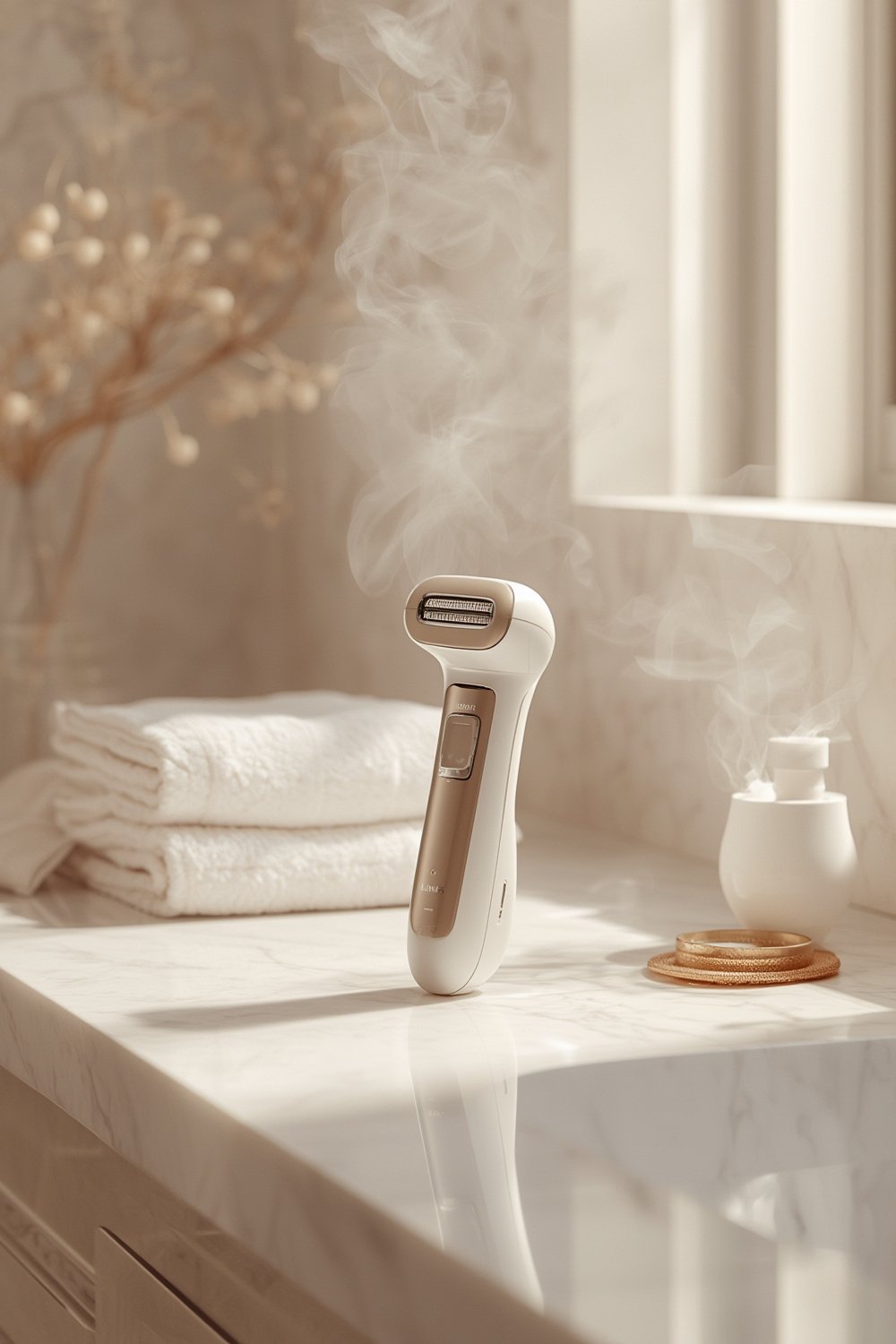
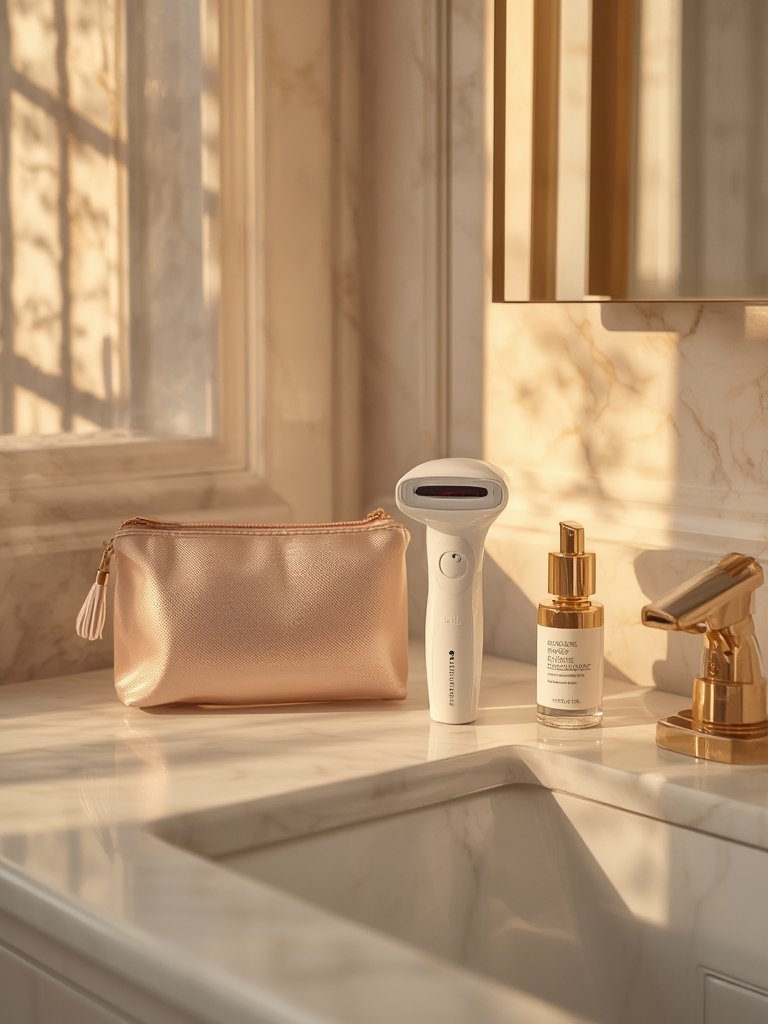
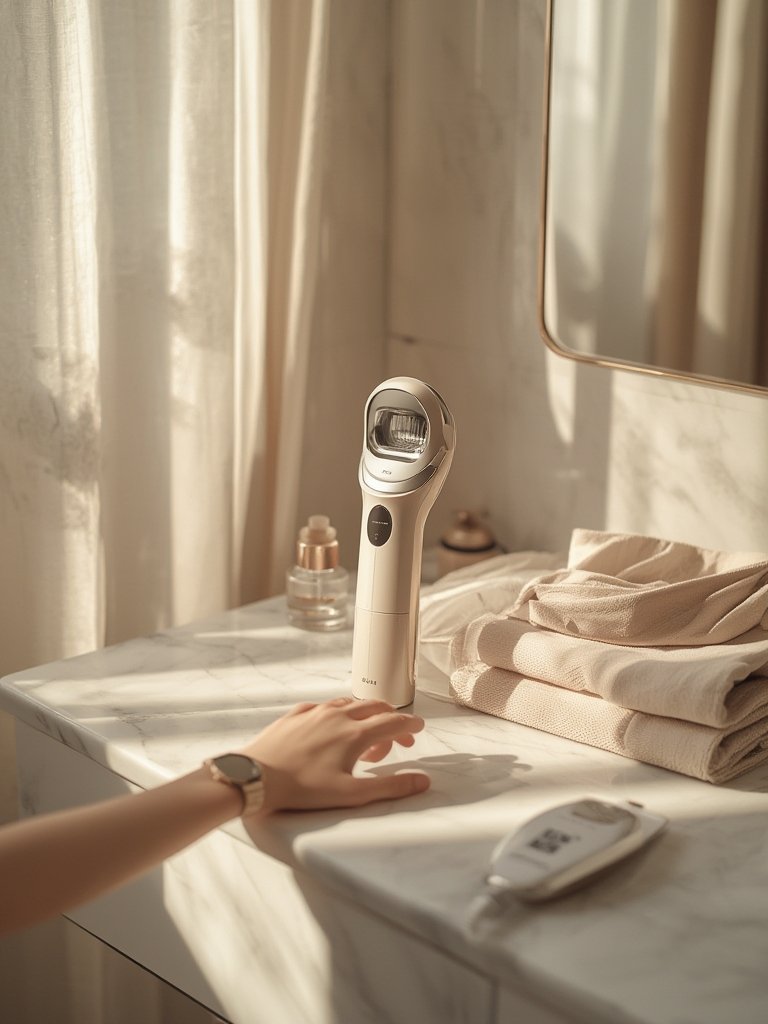
The Best IPL Hair Removal Device With Cooling for Sensitive Skin is an at-home hair reduction tool that emits rapid pulses of intense pulsed light (IPL), combined with an integrated cooling system—typically a sapphire crystal plate or thermal management at the treatment window. This cooling mechanism is designed to absorb and dissipate heat at the point where IPL energy passes into your skin, helping minimize prickling, burning, or redness.
This approach is uniquely beneficial for extremely sensitive skin. Standard IPL treatments can create warmth, stinging, and risk of irritation—especially in delicate areas like the upper lip, underarms, or inner thighs. Cooling technologies, often branded as “ice cooling” or “cold flash,” help lower what you actually feel during each pulse. Some users describe this as a “chilled massage” rather than a painful flick.
While clinical evidence directly comparing cooling versus standard IPL for sensitive skin is limited [NIH source], consumer data suggests cooling features make home treatments more tolerable. The value lies in reducing heat buildup and irritation, as well as encouraging longer-term, consistent self care routines at home. Results are typically gradual and require ongoing attention to technique and aftercare.
Step by Step: How to Use IPL/Cooling for Sensitive Skin
Preparation & Patch Testing
Start with clean, dry skin free of lotions, fragrances, and exfoliants. Shave the treatment area for optimal light penetration and reduced “burnt hair” scent. For extremely sensitive or allergy-prone skin, always perform a patch test on a small area and wait 24 hours to observe any delayed reactions.
Intensity Selection
Choose the lowest setting compatible with your hair color and skin tone. Cooling IPL devices often offer several intensity levels—start conservatively and only increase if you have no signs of irritation.
Treatment Pacing
Pace your session at a comfortable speed. Hold the device steady against the skin, allowing the cooling plate to remain in full contact before triggering a pulse. Avoid overlapping flashes or covering the same spot repeatedly in one session.
Consistency & Scheduling
For best results, use once a week. Avoid daily or excessive sessions—overuse increases risk of redness or barrier damage, especially for sensitive skin types.
Aftercare
Immediately following each session, apply a fragrance-free calming moisturizer . Always use high SPF sun protection, as IPL can make the skin more photosensitive.
Advanced Analysis: Limitations and Pitfalls of Cooling IPL
Evidence Gaps & Current Understanding
Cooling innovations in IPL devices feel considerably more comfortable in practice for many users, but direct clinical comparisons between cooling and standard IPL for sensitive skin remain lacking. Most available data come from manufacturer trials or customer reviews rather than independent scientific testing.
The primary benefit—less heat felt at the skin—relies on cooling plates or regulated pulse intervals. However, there are no published figures on actual temperature reduction or skin safety over many months of use in sensitive individuals. Temporary side effects like mild redness or minor swelling are still possible, as reported in dermatology literature [source].
Skin Tone and Hair Color Constraints
Even premium cooling IPL devices are not suitable for every skin and hair combination. Most systems work best on light to medium skin with dark hair. Using IPL on deeper Fitzpatrick skin tones or on very light blonde/red/grey hair can increase risks or yield minimal results. Always verify your tone and hair match the device’s compatibility chart.
| Parameter | Cooling IPL Devices | Standard IPL Devices |
|---|---|---|
| Skin Comfort | Generally cooler, less prickly, more comfortable for many users; limited scientific quantification | More warmth and tingling, higher risk of mild burns or redness for some users |
| Session Duration | Once weekly, shorter sessions possible due to less heat buildup | Similar frequency; sessions may drag due to discomfort pauses |
| Immediate Redness | Noted as minimal by most user reports; mild irritation still possible | More common; persistent warmth |
| Suitability for Sensitive Skin | Higher comfort reported, but individual reactions vary | Potential for irritation higher if skin is reactive |
| Long Term Data | Not available | Not available |
Common Pitfalls to Avoid
- Using too high an intensity “because the cooling feels gentle”—this still increases risk of reaction.
- Flashing the same skin area multiple times in a session, leading to cumulative heat and irritation.
- Neglecting aftercare such as moisturizer and SPF
- Assuming one pain-free session means future sessions will always be the same—skin sensitivity can fluctuate with hormones, climate, or skincare changes.
Conclusion & Next Steps
If you have extremely sensitive skin and are considering a home IPL, choosing the Best IPL Hair Removal Device With Cooling for Sensitive Skin can make a meaningful difference in comfort and confidence. While there is promising feedback, the absence of long term, independent safety data and quantifiable studies means it is crucial to proceed carefully, listen to your skin, and use conservative settings.
For further comparison, explore additional reviews, research, and always follow expert step-by-step instructions. Your personal experience will depend on your baseline sensitivity, the care you take with each step, and ongoing self observation. Choose wisely, and remember that the journey to smoother skin is gradual and individual.
For more IPL hair removal guides, visit our complete resource hub here: Sensitive Skin Resource Hub.
Ready to compare reviews? See our expert-tested IPL & laser device reviews: See Reviewed Devices.
Need a deep dive into sensitive routines? Follow our complete guide for extremely sensitive skin: IPL for Sensitive Skin Master Guide.
Frequently Asked Questions
How much does cooling actually reduce IPL pain for sensitive skin?
Most user feedback suggests cooling IPL devices feel cooler and more comfortable compared to standard IPL, especially in delicate areas. However, there are no published clinical studies measuring pain scores or temperature drops. Individual comfort improvement is real but varies.
Can IPL with cooling cause delayed irritation?
Yes, even with cooling, mild redness or sensitivity can appear a few hours later—especially if settings are too high or aftercare is skipped. Always monitor your skin for up to 24 hours after a session, especially if you have a reactive baseline.
Is home IPL safe for all skin types?
No. Most at-home IPL devices, even those with cooling, are not suitable for deep brown to black skin tones or for those with very light or red hair. Always check manufacturer compatibility charts and patch test before first full use.
What is the expected timeline for results with sensitive skin?
Visible reduction typically appears after 6 to 8 weeks of consistent, once weekly use. Results may be slower or less dramatic on sensitive or fair skin. Maintenance is needed to prolong effects.
How can I maximize safety during home IPL sessions?
Use the lowest setting that works for your hair and tone, avoid overlapping flashes, strictly follow aftercare (fragrance-free moisturizer, SPF), and keep a record of any skin reactions. Increase intensity only if well tolerated.