


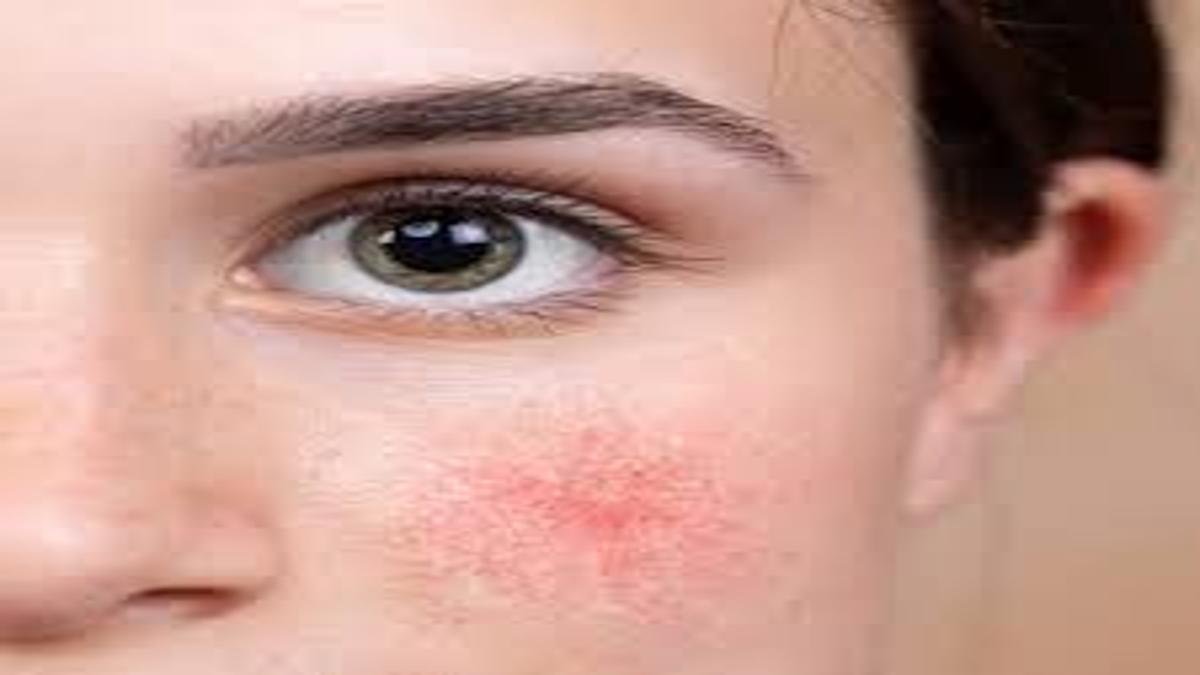
IPL for Rosacea: Everything You Should Know is essential for anyone with extremely sensitive skin considering luxury beauty technology at home. As demand rises for gentle self care devices, it is vital to understand both the benefits and limitations of IPL, particularly where rosacea and skin sensitivity meet. Many readers seek solutions that minimize irritation, yet misconceptions and marketing claims often cloud the real experience. Let’s clarify what IPL really offers, how it interacts with extremely sensitive skin, and what you can genuinely expect before committing to any device.
Key Takeaways
- At-home IPL may not deliver the same results as clinical treatments for rosacea, especially in highly sensitive skin types.
- When choosing a premium IPL device for sensitive skin, prioritize models with multiple intensity levels and integrated cooling features.
- Buyers should expect gradual results and potential minor irritation, and must patch test before committing to a routine.
- What is IPL for Rosacea: Everything You Should Know?
- Step by Step: How to Approach IPL for Sensitive and Rosacea-Prone Skin
- Advanced Analysis and Common Pitfalls in IPL Use
- Conclusion
- FAQ
What is IPL for Rosacea: Everything You Should Know?
IPL for Rosacea, in simple terms, explores whether at-home Intense Pulsed Light (IPL) devices are suitable for managing visible skin redness and blood vessels often found in rosacea—especially for those with extremely sensitive skin. IPL technology emits broad-spectrum light in quick pulses, targeting pigmentation and blood vessels below your skin surface. In clinical dermatology, research shows IPL can reduce facial redness and visible veins when administered with precise settings. Source.
However, at-home IPL devices available for the consumer market are mainly engineered for hair removal. There is currently no peer-reviewed evidence supporting their effectiveness or safety for rosacea treatment at home. For those with extremely sensitive skin, this distinction matters greatly: clinical IPL sessions are tailored by professionals according to skin type, tolerance, and severity, while home devices cannot replicate this customization.
Understanding this context is crucial as you build a self care routine—improper use of IPL on reactive skin may cause discomfort, redness flares, or even worsening of rosacea. Always approach these technologies with caution and prioritize your skin’s overall health and comfort.
Step by Step: How to Approach IPL for Sensitive and Rosacea-Prone Skin
Preparation and Considerations Before Use
Never use IPL on an active rosacea flare, broken skin, or open lesions. Consult your dermatologist or a licensed skincare professional before considering any home use, especially if you have sensitive or reactive skin. Even for general facial redness, read all device manuals and safety disclaimers for contraindications related to rosacea or delicate skin types.
Patch Testing Matters
Always perform a small patch test behind the ear or under the jawline at the lowest intensity level. Wait at least 48 hours to observe any delayed reactions, increased redness, or discomfort before proceeding further.
Choosing Gentle Intensity and the Right Device
If you decide to proceed, select an IPL device designed for sensitive skin with low energy modes, cooling features, and automatic skin tone sensors. Start with the mildest setting, gradually increasing only if comfortable and no adverse response occurs. Never use IPL devices that lack these features on hypersensitive, rosacea-prone skin.
For a master guide on the most gentle approaches and detailed routines, visit IPL hair removal for extremely sensitive skin: master guide.
Treatment Pacing and Session Frequency
Space out sessions far more generously than instructions may suggest for other skin types. Typical home IPL protocols for hair removal cannot be applied directly to sensitive or rosacea-prone skin. Begin with monthly intervals and adjust based on reaction and comfort—never rush frequency in hopes of faster results.
Post Session Luxury Care
After each session, immediately apply a barrier-repair moisturizer without fragrance or active acids. Avoid sun exposure for at least 48 hours and do not combine IPL with exfoliating actives, such as AHAs, BHAs, or retinoids, until your skin has recovered.
Maintaining Consistency—But With Caution
Re-evaluate your skin after every session. If you notice any increase in redness, burning, or dryness, pause treatments and consult a professional. IPL is never a one-size-fits-all solution, especially in rosacea-prone routines. Gentle, patient consistency with ample recovery delivers the safest long-term approach.
Advanced Analysis and Common Pitfalls in IPL Use
Clinical reviews confirm IPL can visibly reduce redness and broken blood vessels for some rosacea sufferers—but only under professional supervision using clinical devices with carefully tailored settings. There is no current evidence that at-home IPL devices safely or reliably treat rosacea redness. Most home-use models are optimized for hair reduction, not for vascular concerns or irregular, sensitive facial skin. Mismatched intensity, lack of cooling, and one-size-fits-all approaches are significant limitations for sensitive users.
Known Skin Tone and Hair Color Constraints
IPL devices work best on lighter skin tones with dark hair. For extremely fair skin with blond, red, or grey hair, efficacy drops; for darker skin types, there’s higher risk for hyperpigmentation and irritation. Fitzpatrick skin types I to IV are usually suitable, but personal tolerance and reaction must always be monitored.
Heat Buildup, Sensitivity, and Real Discomfort
Even with advanced at-home devices, heat sensation is a common complaint, especially over thinner skin or areas with active redness. Without professional-grade cooling technology or individualized power adjustments, irritation risk increases. Adverse reactions like increased erythema, swelling, or even persistent redness have been documented in rare clinical contexts. Read about rare IPL-induced rosacea flare-ups here.
| Feature | Clinic IPL | Home IPL Device |
|---|---|---|
| Energy level | Custom-set per patient, high range | Low fixed range, not adjustable for rosacea |
| Skin assessment | Professional analysis for each session | None (self-performed, limited diagnostics) |
| Cooling system | Integrated clinical cooling | Varies, not on all models |
| Adaptation for rosacea | Tailored per skin response | Universal presets; no rosacea adaptation |
Why Results Vary Between Users
Any results from at-home IPL for rosacea-like redness are inconsistent and unpredictable. Individual sensitivity, phototype, underlying skin condition, and device engineering all play critical roles. Buyers must approach with realistic expectations—luxury technology does not guarantee tailored outcomes without clinical supervision.
If your top priority is gentle, irritation-free routines, choose only reputable devices respected for their use in sensitive skin applications. you can check our lists here
Conclusion: The Real Story on IPL for Rosacea: Everything You Should Know
IPL for Rosacea: Everything You Should Know is not a promise but an invitation to informed, realistic self care. No home device is proven for rosacea; the evidence supports effectiveness only for clinical IPL under expert guidance, not for consumer-grade IPL at home. Extremely sensitive skin demands extra caution—always consult professionals, patch test, and let comfort guide your pace. If you pursue IPL, select devices designed for sensitive skin, with gentlest settings, and expect gradual rather than dramatic results. Ultimately, patient routines and honest expectations protect both your skin health and luxury routine ambitions.
For a full guide to extremely gentle routines
Ready to compare top-rated IPL devices for home use? Our latest review page has unbiased, in-depth guidance for every skin type. See our pick for best IPL device for sensitive skin.
FAQ
Can I use at-home IPL devices to treat my rosacea?
No peer-reviewed evidence supports at-home IPL devices for treating rosacea redness or visible vessels. Clinical IPL is sometimes used in professional settings, but home devices are not proven for this use. Consult a dermatologist before attempting IPL for rosacea.
Is IPL safe for people with extremely sensitive skin?
IPL can be irritating for extremely sensitive skin, and improper at-home use may worsen redness or flares. Always patch test, use the lowest setting, and stop if any adverse effects occur. Devices with cooling and gentle modes are preferable but still require caution.
Does IPL hurt on rosacea-prone or sensitive skin?
Some users experience warmth, discomfort, or mild pain, especially on thinner or more reactive skin. Home devices generally deliver less energy than clinical versions, but can still cause temporary irritation. Pain varies greatly between individuals.
How often can I use IPL if I have sensitive or rosacea-prone skin?
Start with longer intervals—at least four weeks apart—until you know how your skin responds. Do not follow standard hair removal schedules if your skin is reactive. Adjust frequency based on your comfort and skin’s reaction.
What should I do after an IPL session if my skin feels irritated?
Apply a gentle, fragrance free moisturizer, avoid sun exposure, and do not use actives until your skin has calmed. If irritation persists or worsens, discontinue use and seek advice from a skincare professional.