


Key Takeaways
- IPL hair removal can cause mild, short-lived redness for some but severe burns are rare with FDA-cleared or CE-certified devices when used correctly at home.
- When choosing a premium at-home IPL device for sensitive skin, prioritize those with advanced cooling technology and official safety certifications.
- People with extremely sensitive skin should expect some minor, temporary irritation but not permanent changes, and results may require commitment and cautious pacing.
- What Does It Mean: Can IPL Burn Extremely Sensitive Skin?
- Step by Step: How to Minimize IPL Burn Risk with Sensitive Skin
- Advanced Analysis and Common Pitfalls
- Conclusion: Is IPL Right for Sensitive Skin?
- FAQ: IPL for Extremely Sensitive Skin
What Does It Mean: Can IPL Burn Extremely Sensitive Skin?
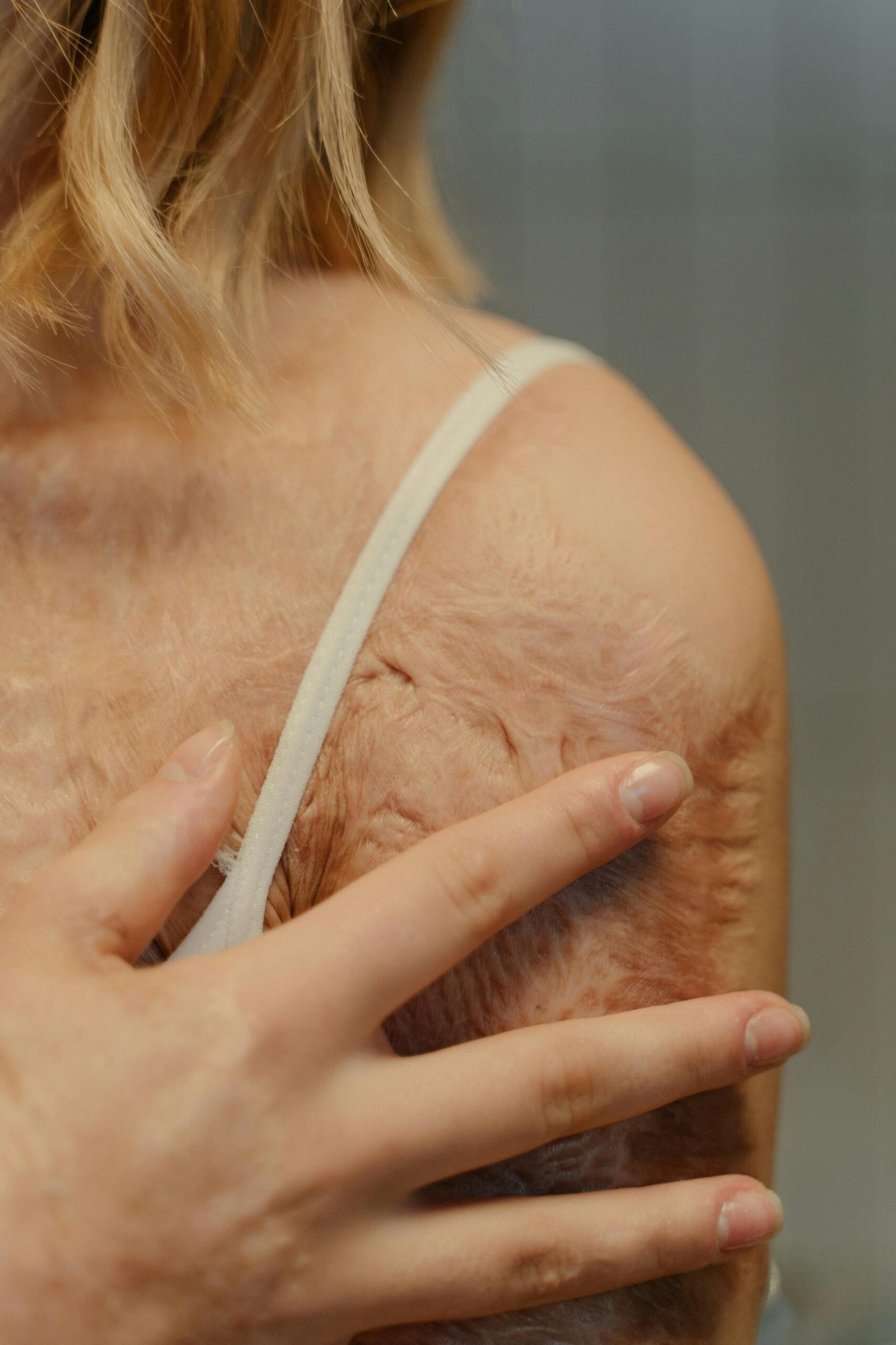
The question “Can IPL burn extremely sensitive skin?” addresses whether light-based hair removal devices can cause actual burns or notable discomfort in those who have reactive, easily irritated skin. For people with extremely sensitive skin, even mild redness, temporary heat, or itching can seem concerning, especially when using powerful beauty technology at home.
At-home IPL works by delivering carefully filtered flashes of light that target hair pigment. In most users, studies show the highest risk is for mild, transient erythema—redness that fades within a day. However, surveys and limited clinical data confirm that pain, burning, or even small thermal burns can occur, though these effects are generally mild and rare when premium, regulated devices are used as directed.[1] Those with extremely sensitive skin might experience symptoms sooner or more acutely, so careful preparation and routine adaptation are vital.
Within a luxury home self-care framework, the goal is to enjoy the elegance and convenience of silky-smooth skin without sacrificing skin health or everyday comfort. IPL can be part of this journey, but it’s critical to set realistic expectations and take steps that put skin safety first.
Step by Step: How to Minimize IPL Burn Risk with Sensitive Skin
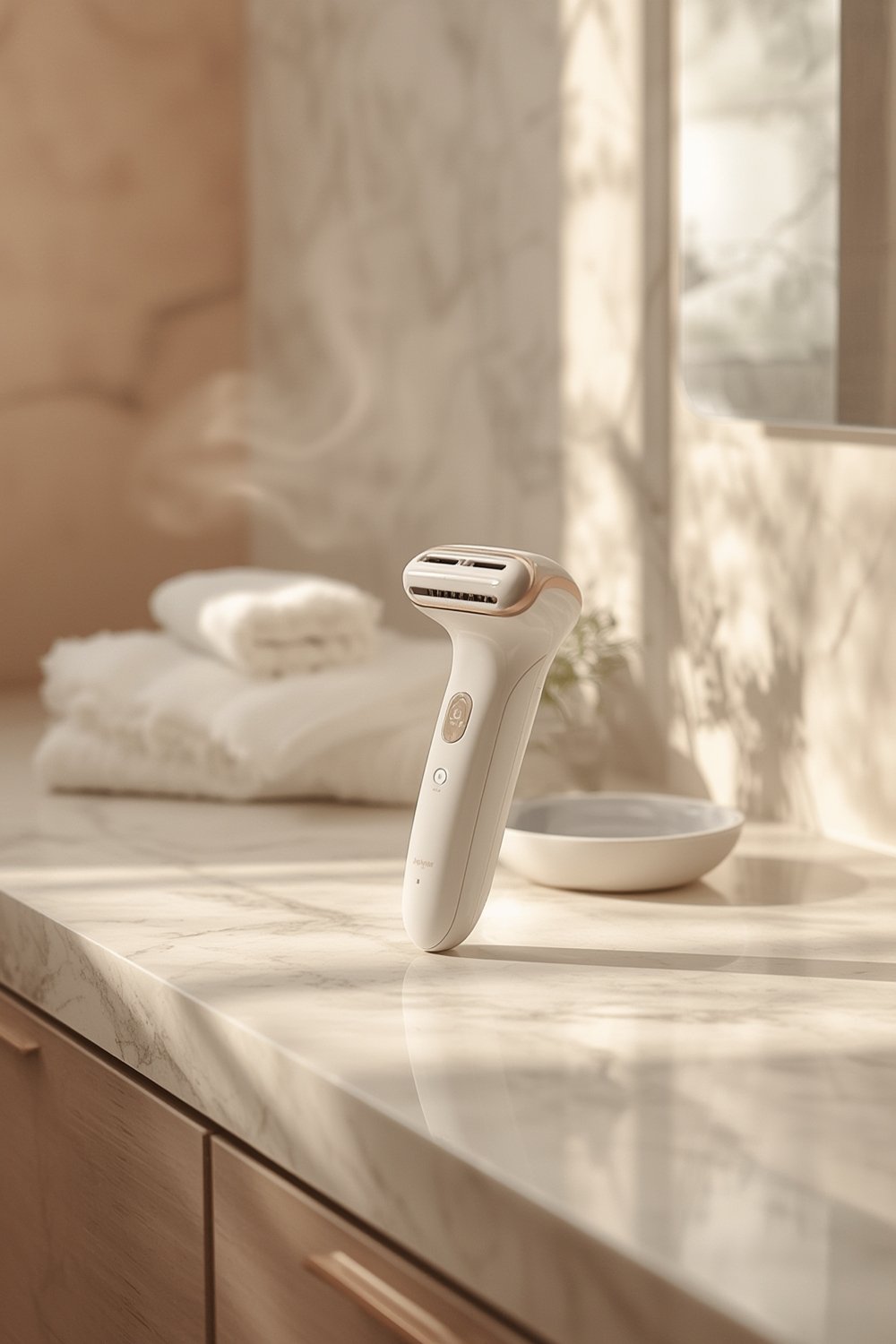
For visitors wondering, “Can IPL burn extremely sensitive skin?” the answer is nuanced and requires smart, personalized routines. Below is a practical approach to help safeguard your experience.
Preparation is Everything
Proper skin prep reduces risk. Gently cleanse the treatment area to remove any lotions, oils, or irritants. Never use active skincare (like AHA or retinoids) before or after IPL unless specifically guided by a professional. Avoid sun exposure and artificial tanning for at least two weeks on the area you plan to treat. For more tips, see our sensitive skin prep guide here.
Patch Testing: The Sensible Start
Always do a patch test, especially if you have extremely sensitive or previously reactive skin. Select a hidden area, set the device to the lowest intensity, and carefully observe for 24-48 hours. Only proceed if you have no adverse reaction (redness resolving within 24 hours is typical, not alarming).
Set the Right Intensity: Gentle Wins
Use the lowest effective IPL setting—this decreases heat, minimizing discomfort and the risk of burning. Many luxury devices feature “sensitive skin” or “extra gentle” modes. Avoid the urge to go higher for faster results.
Pacing and Technique: Less Is More
Move slowly and deliberately. Overlapping flashes or treating the same area multiple times in one session sharply increases irritation risk. Sessions should be spaced as directed, commonly once every 1-2 weeks, never daily.
Post Session Comfort: Soothe and Shield
Immediately after treatment, apply a cool, non-alcoholic, fragrance-free gel or hydrating mist. Avoid tight clothing, hot showers, or harsh skincare for 24 hours. For extra aftercare, refer to our luxury aftercare guide.
Consistency and Patience
Progress with IPL is gradual, particularly for those using gentler settings. Expect some tingling or mild redness post-session, but burning and blistering are signs to stop and re-evaluate device choice or technique.
Advanced Analysis and Common Pitfalls
The risk of burns with IPL on extremely sensitive skin is closely linked to the interaction of device intensity, skin tone, and user behavior. Peer-reviewed studies confirm that most adverse events are mild and short term—redness or stinging that fades within a day.[2] However, device misuse or using uncertified tools increases risk even in the general population.
Known Limitations in Clinical Data
Importantly, clinical trials on IPL rarely include people with diagnosed “extremely sensitive skin.” Instead, most studies focus on typical users with healthy skin and exclude anyone with eczema, rosacea, or chronic irritation. This leaves a gap in precise outcomes for truly sensitive users. Buyers should approach all device claims conservatively if they have a track record of reactivity.
Skin Tone and Hair Color: Key Factors
IPL is safest and most effective for lighter skin with dark hair, since contrast allows lower settings and less heat absorption by the skin itself. For those with light brown or darker skin, there is an increased risk of burns or hyperpigmentation if inappropriate settings are used or the device lacks a quality skin tone sensor.
Heat Buildup and Comfort Mechanisms
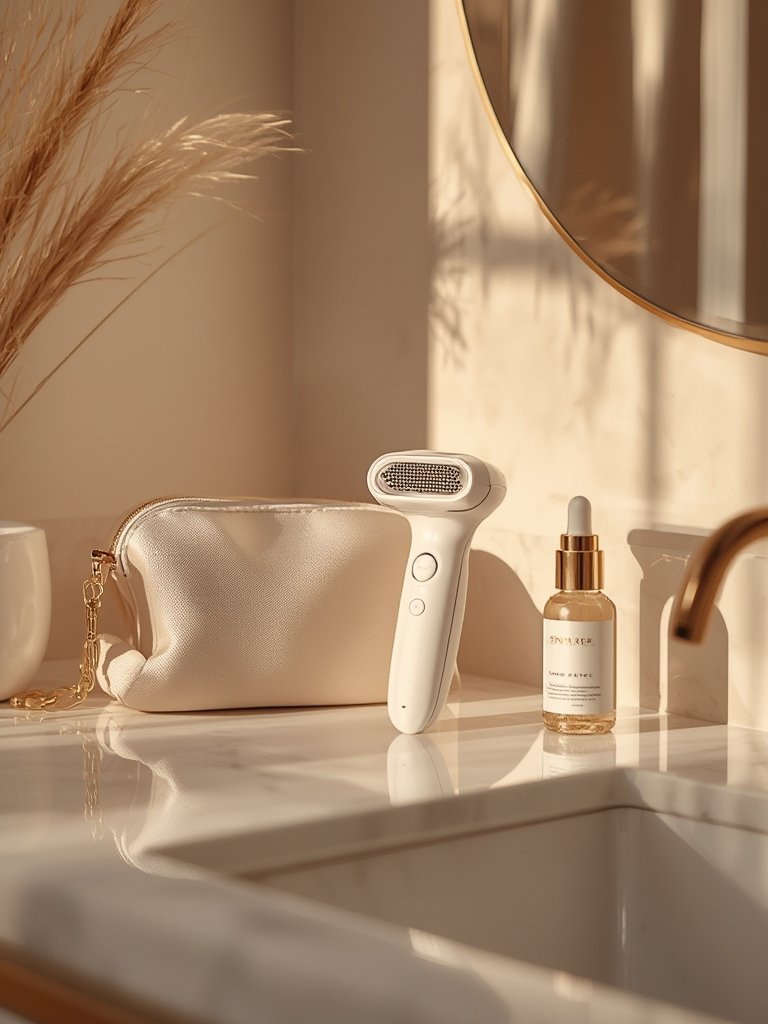
Professional IPL systems often employ advanced cooling technologies—premium home devices are now following suit. Devices with “ice cooling” or smart cooling plates help control surface temperature, making sessions more bearable for sensitive skin. However, not all devices are created equal; certifications like FDA or CE are strong indicators of effective safety controls.
Why Results and Comfort Vary
The same device can feel gentle to one user and uncomfortable to another. This is due to differences in natural skin barrier, hydration, hormonal status, and adherence to device protocols. For extremely sensitive users, following every safety step matters and can be the difference between a comfortable or uncomfortable experience.
| Feature | Luxury IPL Device w/ Cooling | Standard Home IPL Device | Professional IPL System |
|---|---|---|---|
| Adverse Events on Sensitive Skin | Rare with patch test, cooling, and low settings | Mild to moderate risk, especially if misused | Very rare, under expert guidance |
| Skin Tone Sensor | Usually automatic; prevents misuse | May be manual or missing | Professional assessment |
| Regulatory Certification | FDA, CE, or equivalent | Mixed or absent | Medical grade |
| Comfort Control | Built-in cooling, gentle modes | Basic air vent or no cooling | Advanced, operator controlled |
Conclusion: Is IPL Right for Sensitive Skin?
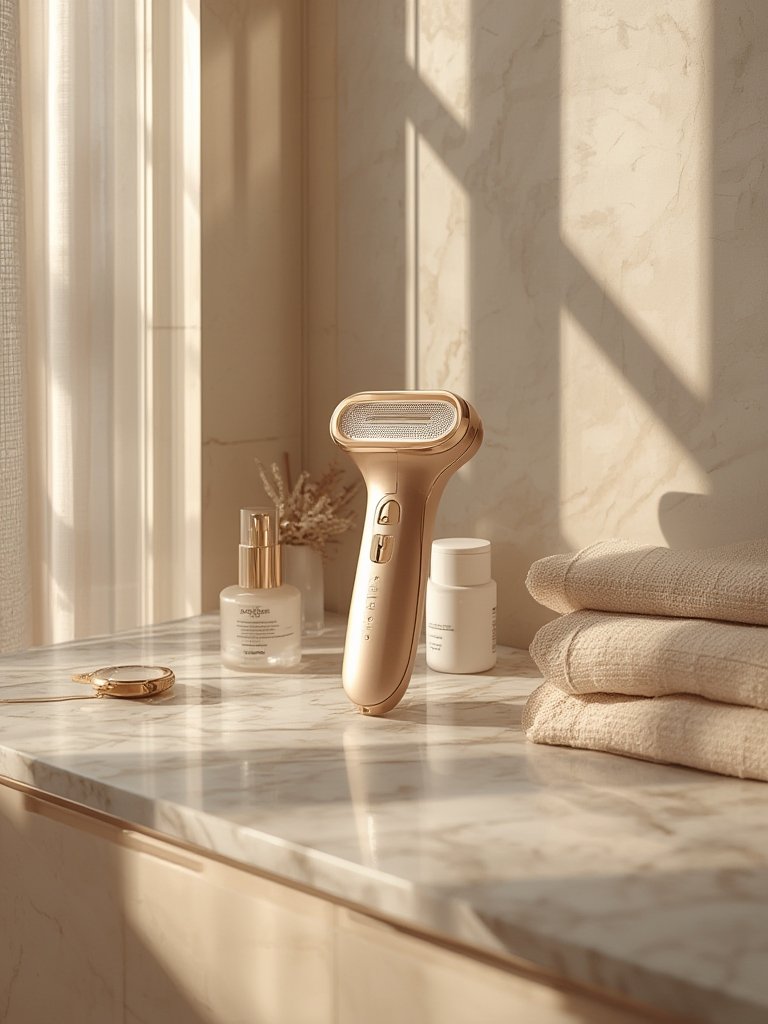
In summary, the real answer to “Can IPL burn extremely sensitive skin?” is that mild and temporary redness or tingling is common, but true burns are rare if you use a certified, quality device and carefully follow comfort-focused protocols. Most users with extremely sensitive skin can enjoy luxury self-care IPL with low risk if they patch test, choose devices with advanced cooling, and avoid unnecessary intensity. Devices without certifications or those used above recommended settings are not advisable for anyone, particularly those with a sensitive skin profile. Always be realistic: results take time, and patience greatly reduces irritation risk. IPL can elevate your self-care results, but only if you respect your skin’s limits and adopt a consistent, safety-first routine.
for more tips : using ipl on sensitive ski : what works and what to avoid
For more IPL hair removal guides, visit : Sensitive Skin Device Resources
If you’re ready to compare top-rated, reviewed IPL and laser devices for home use, browse our impartial device reviews for sensitive skin now.
To dive even deeper into safe routines and the latest advice, follow our expert guide: IPL Hair Removal for Extremely Sensitive Skin: Master Guide
FAQ: IPL for Extremely Sensitive Skin
Is redness after IPL normal for extremely sensitive skin?
A mild degree of redness is common, especially for sensitive users, but it should resolve within 24 hours. Lingering redness or blistering is not normal—pause use and consult your device manual or a professional if this happens.
How do I know if an IPL device is safe for my skin type?
Choose devices with FDA, CE, or equivalent certifications, and look for models specifically labeled for sensitive skin. High-quality options often feature skin tone sensors and gentle power modes.
What should I do if my skin burns from at-home IPL?
Stop using the device immediately. Soothe the area with cool compresses, avoid further irritation, and if symptoms persist or worsen, consult a healthcare provider. Severe or blistering burns are uncommon with top-tier home devices.
Can I use IPL on areas with eczema or dermatitis?
Do not use IPL over active eczema, dermatitis, or any broken or inflamed skin. Most clinical studies exclude these conditions due to higher risk. Always treat only healthy, intact skin.
How many IPL sessions does it take to see results on sensitive skin?
Results begin after 3-4 sessions for many, but extremely sensitive users may space sessions further apart for comfort. Full results can take two to three months of regular, gentle treatments.