


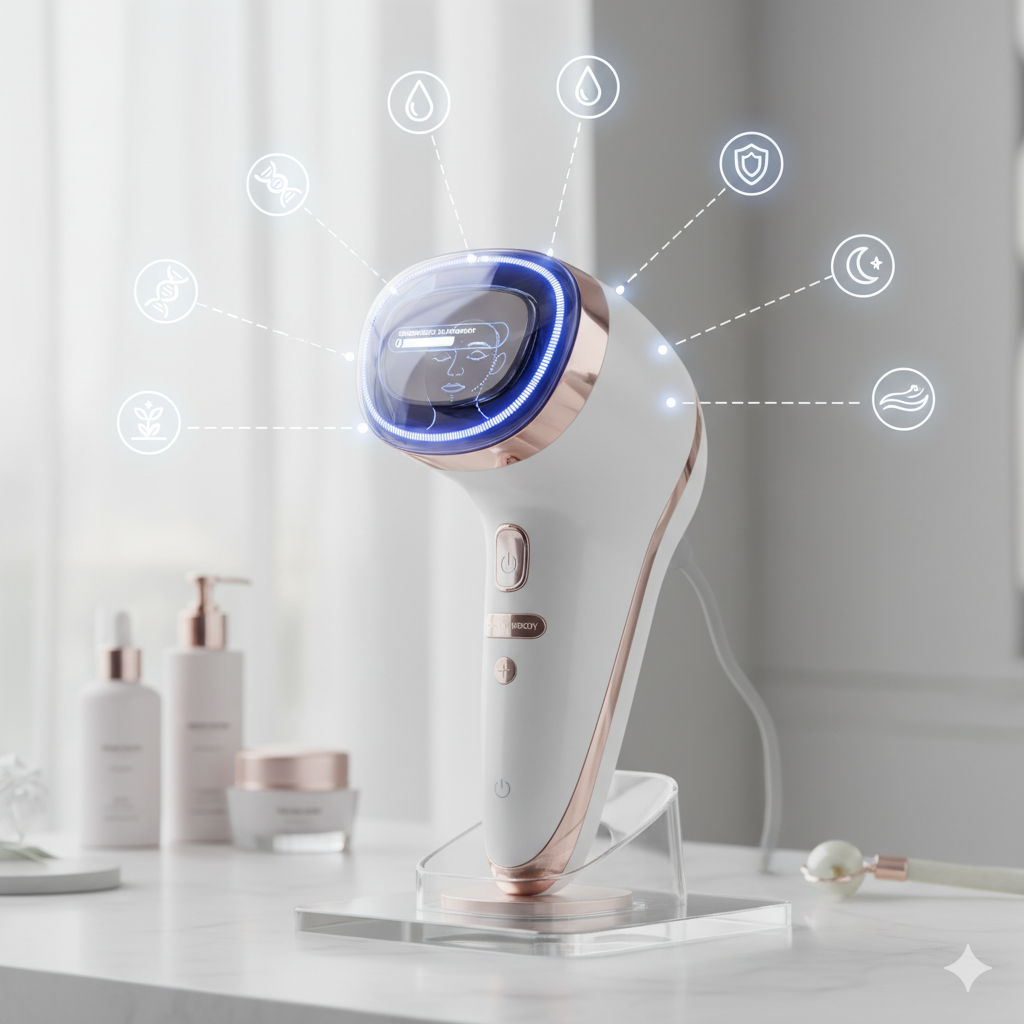
Best IPL device for PCOS facial hair is a topic that blends cutting-edge luxury beauty technology with the unique challenge of managing visible facial hair at home. For many seeking premium self-care solutions, PCOS-related facial hair growth requires honest guidance, refined results, and realistic expectations—especially when exploring the higher tier of at-home premium at-home IPL device hair removal devices. This guide unpacks what buyers should truly know before investing, balancing real-world outcomes with the sophisticated experience luxury beauty deserves.
Key Takeaways
- IPL devices gradually reduce hair growth by weakening follicles over consistent sessions—results are seen over weeks, not overnight.
- Premium IPL devices with tailored attachments and skin sensors offer safer, more comfortable experiences but require regular maintenance.
- Buyers should expect ongoing, not permanent, reduction; hormonal regrowth with PCOS means lasting smoothness relies on consistency and patience.
- The Core Concept: IPL for PCOS Facial Hair in Luxury Beauty
- Step-by-Step Guide: Using At-Home IPL Devices Safely
- Advanced Analysis & Common Pitfalls: Real-World Lessons for PCOS Users
- Conclusion
- FAQ
The Core Concept: IPL for PCOS Facial Hair in Luxury Beauty
The best IPL device for PCOS facial hair is carefully chosen by those who value both efficacy and the sophistication of at-home beauty technology. PCOS can cause persistent, thick facial hair on areas like the chin, upper lip, and jawline. For many, this impacts daily confidence and elevates the appeal of discreet, salon-grade solutions.
Intense Pulsed Light (IPL) technology emits gentle light pulses targeting pigment in the hair. Over regular sessions, it weakens hair follicles, leading to finer and sparser regrowth. Clinical research shows both professional and at-home IPL can reduce facial hair in PCOS with similar average reductions between PCOS and non-PCOS groups, though the data is strongest for professional settings. A 2016 study reported about 50-55% reduction on the upper lip and 73-74% on the chin after six sessions for both groups.
For luxury beauty routines, at-home IPL devices offer private, convenient care. The finest devices often include advanced safety sensors, refined attachments for facial use, and cooling features for maximal comfort. Outcomes rely on consistent, targeted use—especially true for stubborn, hormonally driven hair as seen with PCOS.
When luxury buyers choose between at-home IPL and in-clinic treatments, understanding the realistic scope of results is essential. While at-home use brings autonomy and subtlety, progress will always demand careful planning and ongoing care—results rarely last without maintenance.
Step-by-Step Guide: Using At-Home IPL Devices Safely
Optimizing results with a premium at-home IPL device for PCOS facial hair means refining your routine for comfort, safety, and progress. Below is a step-by-step approach tailored for self-care at the luxury level:
- Preparation:
- Cleanse and dry your face thoroughly to remove makeup, creams, and sunscreen.
- Shave the treatment area with a fresh, clean razor. Do not wax, pluck, or thread before or during your IPL plan, as this removes the root.
- Assess your skin’s tone and hair color—ensure both are within your device’s safe usage range. Manufacturers usually provide a skin tone/hair color chart.
- Start with a patch test:
- Test your device on a small, discreet patch 24 hours before your first full session to monitor for excessive redness or irritation.
- Device Settings and Attachments:
- Select the facial-specific attachment, if provided, for precision and safety.
- Adjust intensity based on your comfort and device guidelines—most luxury models offer Automatic skin tone sensors-based intensity selection.
- Treatment:
- Work in small sections. Place the device flat against your skin and trigger the flash. Avoid treating the same spot repeatedly in one session.
- Move in a systematic pattern—consistency ensures even results.
- Post-Treatment Care:
- Apply a mild, fragrance-free moisturizer or aloe vera gel to soothe treated areas.
- Avoid sun exposure, harsh exfoliants, or strong topical treatments for at least 24 hours.
- Repeat and Maintain:
- Follow your device’s schedule, often every one to two weeks initially, for a period of 8 to 12 weeks. Manufacturer evidence and clinical research suggest that visible reduction will appear after the first 2–4 sessions, though “maintenance” treatments will be needed to control regrowth.
- Continue with periodic maintenance treatments as new hairs cycle in—results with PCOS facial hair are not permanent due to hormonal influence but can be managed with consistency.

See more refined device usage strategies in this detailed review of the Ulike Air 10 IPL.
Advanced Analysis & Common Pitfalls: Real-World Lessons for PCOS Users
Despite the sophistication of at-home IPL, buyers managing PCOS facial hair should know the following nuances for truly informed expectations:
What Research Reveals (and Where It’s Lacking)
- Clinical data confirms IPL can reduce thick facial hair in PCOS, but most major studies focus on professional, not home-use, devices. At-home IPL research usually assesses body areas, not the unique regrowth patterns seen with PCOS facial hair. (study link)
- Direct comparisons between professional and at-home results remain rare. Some brands, like SmoothSkin, cite high PCOS satisfaction rates, but these claims lack robust, independent verification. (source)
- At-home IPL trials report generally high user satisfaction (95 percent notice reduction) but realistic reduction rates are in the 72–84 percent range over a two to three month period—always less than so-called “permanent” effects. (trial data)
Real-World Drawbacks: What Luxury Users Experience
| Drawback | Typical Impact | Advice |
|---|---|---|
| Results take time (weeks to months) | Slower progress than expected—especially for thick, hormonally-driven facial hair | Maintain weekly or biweekly sessions and monitor for steady reduction |
| Hormonal regrowth (PCOS) | Ongoing maintenance is necessary; non-permanent reduction | ongoing maintenance; permanent results are not realistic |
| Risk of paradoxical hypertrichosis | Rare increase in facial hair thickness (more common in PCOS) | Monitor closely; consult a professional if hair grows denser after multiple sessions |
| Skin tone/device compatibility | Devices may not work well or safely on darker skin tones or very light hair | Consult the device chart and consider specialty models for dark skin tones |
| Training and technique gaps | Incorrect use undermines results or causes discomfort | Read device manual closely and follow all safety protocols |
Understanding Safety & Expected Reactions
- Most users experience only mild discoloration or redness that fades within hours. Clinical research on at-home devices shows rare, minor discomfort and no lasting side effects in nearly all users. Reference
- A 10 percent risk for paradoxical hypertrichosis (increased hair growth) is acknowledged in some sources, especially relevant for PCOS. If hair becomes denser after consistent use, it is wise to pause and consult a professional.
- Safety standards and regional compliance are currently not well documented by clinical studies or regulatory authorities in published literature. Select only models sold by reputable vendors who provide clear CE, FDA, or relevant regional certification. Check for transparent customer support and clear instructions.
Luxury Features: Are Premium Advancements Worth It?
User experience is significantly elevated by devices offering:
- facial-specific attachments for precision use on upper lip, chin, and jawline.
- Automatic skin tone sensors—especially vital for those with mixed undertones or tanning.
- Cooling technology for comfort and reduced skin reactivity during facial application.
However, these features do not speed up or “guarantee” permanent results—ongoing care is always required when treating PCOS facial hair.
For a deeper technical breakdown and comparison of top-rated devices for luxury results, visit our best devices roundup.
Conclusion
Choosing the best IPL device for PCOS facial hair is a journey in advanced self-care—blending realistic expectations, patience, and the comfort of luxury technology. Research and consumer experience consistently show that while excellent reduction is possible, hormonal regrowth means ongoing maintenance and honest expectations set luxury users apart. Invest the time to compare features, consult device charts, and embrace the sophisticated routine premium IPL enables. Start refined, stay consistent, and let your beauty routine work at your pace—your best IPL device for PCOS facial hair is one that supports your results and your lifestyle for the long term.
to know how it works here
Explore IPL Hair Removal for PCOS Facial Hair: How It Works + 7 Proven Ways to Reduce Facial Hair for device insights tailored to real user needs.
our full guide
FAQ
Is IPL safe for PCOS facial hair and sensitive skin?
At-home IPL devices are generally safe when used as directed, even for sensitive facial areas. Clinical studies show mild, temporary redness or discomfort in some users. Always follow the manual, perform a patch test, and use a device with a facial-specific attachment and approved certifications. If irritation persists, pause and seek professional guidance. Learn more about sensitive skin protocols.
How long before I see results using an IPL device on PCOS facial hair?
Clinical reports and manufacturer guidance suggest 2–4 weeks for initial visible reduction, with optimal results typically seen after 8–12 weeks of regular use. Patience and consistency are required, especially for thick or hormonally influenced hair like PCOS. For timelines, see detailed results timelines.
Will IPL permanently remove PCOS facial hair?
No device—at-home or professional—provides permanent results for PCOS facial hair. Hormonal cycles promote regrowth, so ongoing maintenance treatments are necessary to maintain smoothness. Expect long-term reduction, not total removal. See this guide on IPL for hormonal hair for more details.
Which IPL device features matter most for luxury self-care and PCOS?
Seek out devices with facial-specific attachments, advanced skin sensors, adjustable intensity, and comfortable cooling. Clear certifications (FDA, CE) and reputable customer support also offer peace of mind. A refined, ergonomic design and tracking app may also enhance the self-care experience.
Are there any risks or side effects with at-home IPL for PCOS?
The most common side effects are mild redness or tingling, which usually subside quickly. Rarely, paradoxical hypertrichosis (increased hair growth) can occur, especially in PCOS; if this happens, stop treatment and seek medical advice. Always avoid IPL over moles, tattoos, or irritated skin, and check your compatibility with the device chart before use.