



Key Takeaways
- IPL hair removal at home relies on gradual reduction, requiring consistency and realistic expectations.
- Choosing a built-in skin sensors and cooling is essential for safe, comfortable results.
- Buyers should expect ongoing maintenance sessions and understand that results differ by skin and hair type.
- What Makes At-Home Laser Hair Removal Stand Out in 2026?
- How to Use Your At-Home IPL Device: Safe Steps for Luxury Results
- Real-World Drawbacks & Expert Tips: Navigating Common Pitfalls
- Conclusion: Should You Invest in the Best At-Home Laser Hair Removal 2026?
- FAQs: Best At-Home Laser Hair Removal 2026
What Makes At-Home Laser Hair Removal Stand Out in 2026?
When researching the best at-home laser hair removal 2026, it’s crucial to understand what sets these devices apart in a premium self-care routine. At-home IPL (Intense Pulsed Light) devices use gentle pulses of light to target hair roots, reducing regrowth over time. Unlike single-wavelength lasers in clinics, IPL offers a broader light spectrum, making it suitable for large areas such as legs or underarms with added safety controls.
Luxury IPL devices fit naturally into high-end beauty routines. Top-tier models blend skin-safe sensors, efficient cooling, and connectivity features—supporting a modern, self-reliant approach to hair management. They appeal to users who want salon-level technology and results, but in their own space and on their own schedule.
Convenience drives adoption. In 2026, over 65 percent of home users choose IPL for its adaptable settings and privacy, especially among women aged 18 to 35 who value streamlined, tech-forward routines. This shift is also driving robust global market growth, reflecting a clear move toward sophisticated at-home solutions (source).

Premium IPL is more than a gadget—it’s an investment in autonomy, comfort, and safety for those who expect more out of their self-care rituals.
How to Use Your IPL Device: Safe Steps for Luxury Results
Upgrading your home routine with a top-tier IPL device means understanding smart usage practices. Here’s a simple, risk-aware guide:
- Preparation: Shave the target area and ensure your skin is clean, dry, and free of products. Never use IPL on tanned or recently waxed skin.
- Skin Tone & Hair Check: Confirm your skin tone matches the device’s safety guidelines. Most luxury devices have built-in sensors; use this function to ensure compatibility.
- Select Settings: Start with a lower energy setting, especially if new to IPL. Adjust up as tolerated over subsequent sessions. Many devices will auto-adjust using sensors.
- Section Treatment: Hold the device flush to the skin and press the flash button as you slowly move across the area. Overlap flashes slightly for full coverage.
- Aftercare: Avoid heat, sun, or perfumed products for 24 hours post-treatment. Moisturize with a gentle, fragrance-free lotion when needed.
- Consistency: Schedule sessions per the device’s guidelines. Most recommend every one to two weeks for the first months, then maintenance every four to six weeks as needed.
- Maintenance: Visible reduction may take weeks or months and requires ongoing touch-ups. Track your sessions using device apps or a calendar for consistency.

Real-World Drawbacks & Expert Tips: Navigating Common Pitfalls
Even with the best at-home IPL and laser devices, results and comfort vary. Verified user reviews and market reports highlight the honest challenges buyers face:
- Discomfort and Cooling: Premium IPL devices now feature built-in cooling, but some users still feel heat or mild stinging—especially on higher settings or sensitive areas.
- Skin Tone Limitations: Devices are safest and most effective for lighter skin and darker hair. For medium to dark skin tones, not all devices qualify—choose models with advanced skin sensors and multiple safety certifications to reduce risk.
- Inconsistent Results: Due to moderate power limits (for safety), luxury at-home IPL is less effective on coarse or very light hair and requires patience. Results appear gradually after several weeks to months, and not all hairs respond equally.
- Device Abandonment: Lack of immediate results, time-intensive sessions for large areas, and user error (like missed spots or wrong settings) lead many owners to stop using devices after a few sessions.
- Counterfeit Devices: High demand and premium pricing have invited non-genuine imitations. Always purchase from reputable brands and authorized sellers with clear warranties.
- Maintenance Requirements: No device is “set and forget.” Ongoing maintenance sessions are vital for lasting reduction, especially for legs, underarms, or areas with thicker regrowth.
| Feature | Premium At-Home IPL | At-Home Laser | Professional Clinic |
|---|---|---|---|
| Light Source | Broad-spectrum IPL | Single-wavelength Laser | Medical-grade Lasers |
| Energy Output | Moderate (with safety limits) | Moderate (with safety limits) | High (clinician controlled) |
| Sensors & Safety | Skin tone, contact, cooling | Skin tone, cooling | Professional assessment |
| Best For | Light to medium skin, dark/fine hair, large areas | Coarse hair, precise zones, lighter skin | All skin/hair types (customized treatments) |
| Results Timeline | Weeks to months | Weeks to months | Faster; fewer sessions |
| Maintenance | Ongoing | Ongoing | Less frequent |
Manufacturers meet strict EU CE and US FDA standards for sensor-based safety and skin tone compatibility (source). Still, no at-home device guarantees universal suitability or rapid, permanent results. Always defer to published dermatological guidelines for the safest choices.
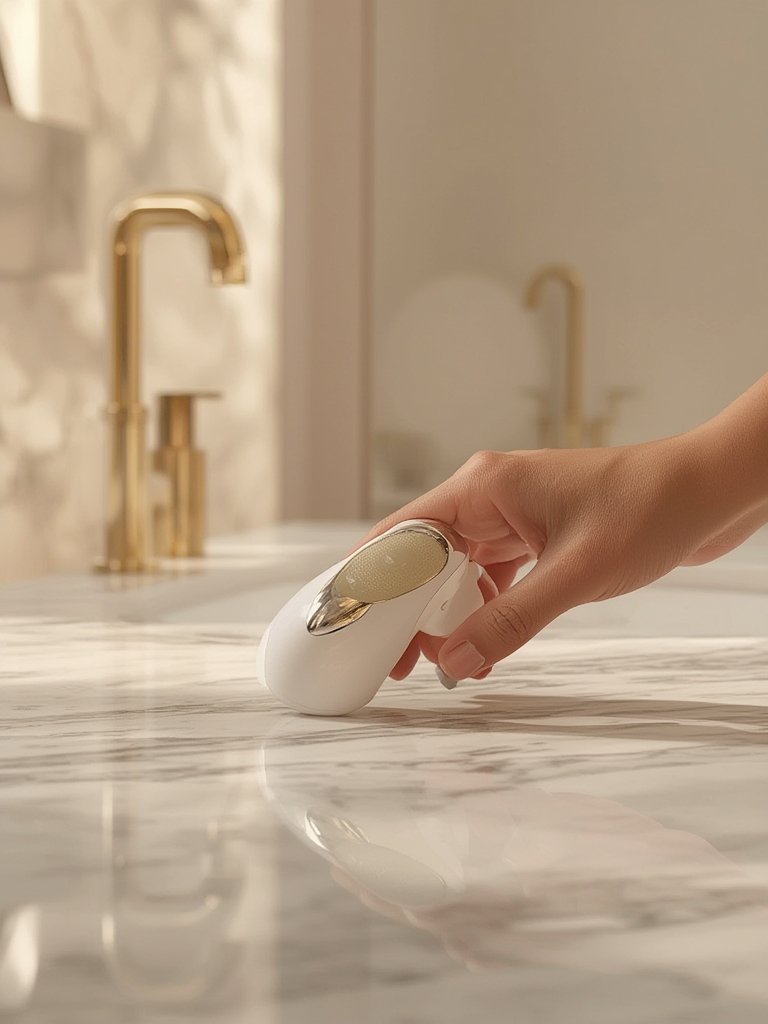
Price points for leading models fall between $100 and $400 for powerful home devices, with luxury options positioned higher for advanced cooling and sensors. Most top brands now offer at least one to two-year warranties, with expanded after-sales support and app-based tracking emerging as value adds (source).
Conclusion: Should You Invest in the Best Laser Hair Removal ?
Luxury at-home hair removal technology in 2026 is more advanced and accessible than ever, giving buyers meaningful control over their self-care schedule and results. Yet the best at-home laser hair removal 2026 solutions require patience, realistic expectations, and careful research to match your unique skin and hair profile. For serious buyers, compare technical features, warranty support, and sensor technology before committing. Always choose reputable devices, use safety features, and expect a gradual journey—one that rewards consistency and smart device use. Take time to compare independent reviews and explore further guides before you choose your next beauty investment.
For more IPL hair removal guides, visit our complete resource hub
FAQs: Best Laser Hair Removal
Is at-home IPL hair removal safe for all skin tones?
No. Most luxury IPL devices are safest for light to medium skin tones with dark hair. Look for models with advanced sensors and region-specific regulatory approvals. Consult device charts before use.
How long does it take to see results with a premium IPL device?
You may begin to notice reduced hair growth after 4–6 sessions, but most users need 8–12 sessions over several months, followed by regular maintenance. Results depend on your hair and skin type.
Can I use IPL on my face or sensitive areas?
Some premium IPL devices are cleared for facial or bikini line use, but beginners should start with less sensitive body parts. Always read device guidelines and avoid eyes, mucous membranes, and tattoos. For facial and bikini areas, consider a face or sensitive areas specific IPL handset for greater safety and precision.
Are the results of at-home laser or IPL hair removal permanent?
No home device guarantees full or permanent removal. Expect gradual reduction and ongoing touch-ups. Professional treatments can offer faster or longer-lasting results, but cost more.
What should I look for in a luxury IPL device in 2026?
Prioritize skin tone sensors, adjustable settings, strong after-sales support, and warranty coverage. Cooling features can improve comfort for larger or sensitive areas like legs and underarms.