



Does IPL work on hormonal hair is a crucial question for many luxury beauty enthusiasts seeking confidence and comfort from home. In the world of premium at-home self-care, particularly for those managing conditions like PCOS or experiencing stubborn, hormonally influenced hair, understanding what realistic results advanced IPL (Intense Pulsed Light) technology can actually deliver is essential. This guide explores the true potential, limitations, and smart protocols for using high-end IPL devices on hormonal hair—offering honest guidance before you invest in luxury hardware for your beauty routine.
Key Takeaways
- At-home IPL devices can significantly reduce the density and thickness of hormonally influenced hair but require ongoing maintenance for lasting smoothness.
- Choose an IPL device with proven safety features and tailored attachments for sensitive or hard-to-treat areas to elevate your self-care experience.
- Expect gradual improvement rather than permanent removal—hormonal regrowth is common, so patience and consistency matter more than a “quick fix.”
- How IPL Interacts with Hormonal Hair: The Core Concept
- How to Use IPL on Hormonal Hair: Step-by-Step Guide
- Advanced Analysis and Common Pitfalls with IPL for Hormonal Hair
- Conclusion: Should You Try IPL for Hormonal Hair?
- FAQ: IPL for Hormonal Hair Removal
How IPL Interacts with Hormonal Hair: The Core Concept
Hormonally driven hair growth—often associated with conditions like PCOS—produces coarse, dark hair in areas like the chin, jawline, or body. The central question for luxury self-care is whether IPL technology, designed for at-home use, can effectively manage this type of hair and deliver long-lasting, refined smoothness.
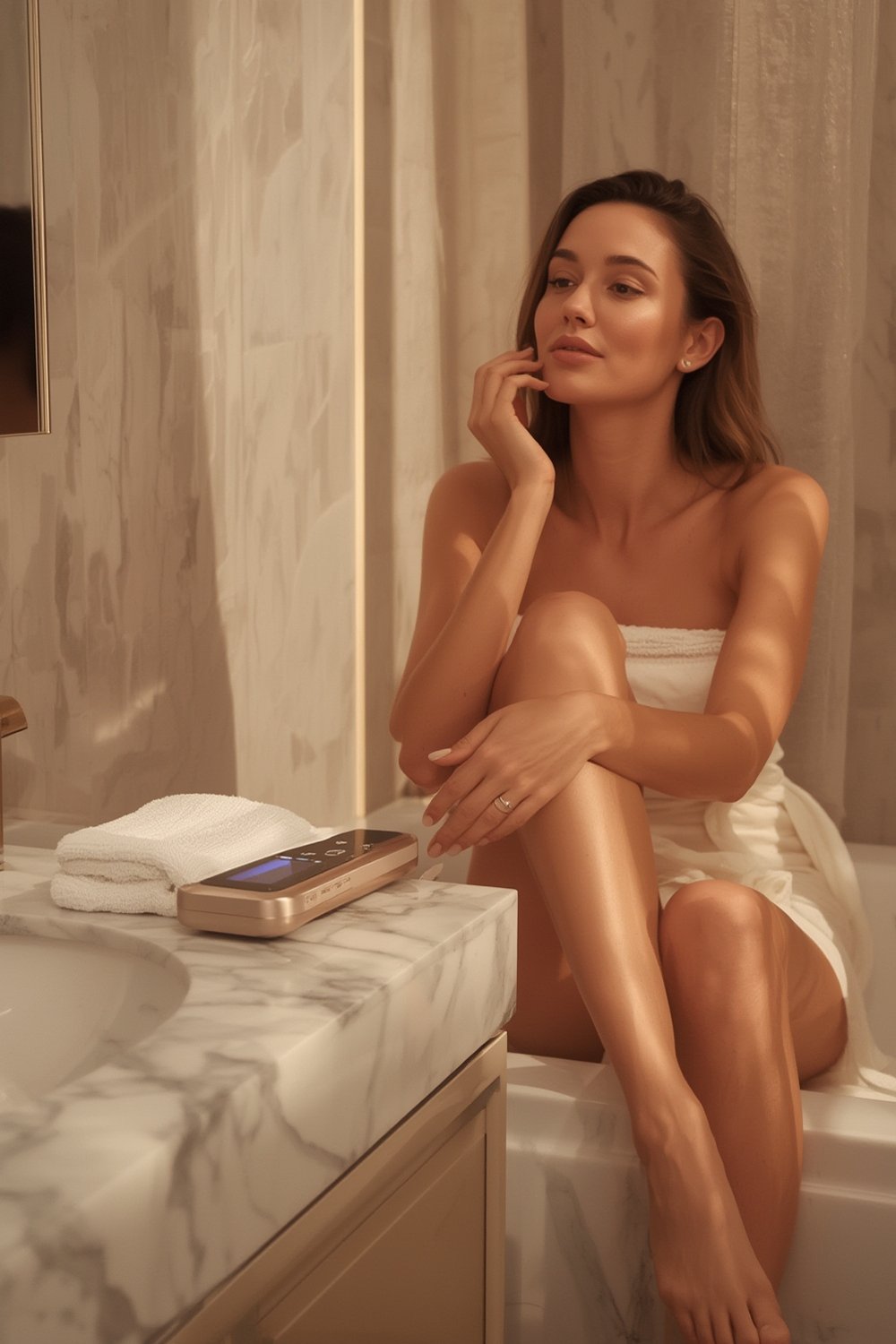
IPL devices work by emitting broad-spectrum light that targets the melanin (pigment) in the hair shaft and follicle. This light energy gently heats and disables the follicle, causing the hair to shed over the following days or weeks. IPL is most effective on dark, coarse hair against lighter skin—a profile common to hormonally influenced hair. However, hormonal triggers often cause regrowth, so IPL results are rarely permanent without continued treatments.
Premium at-home IPL brands have developed specialized attachments and sensor systems to adapt to facial contours and dense hair zones. While vendor claims can be impressive, independent clinical evidence for at-home IPL specifically on hormonal hair is limited. Real users report significant reduction, yet maintenance sessions remain necessary because the underlying hormones can stimulate new growth cycles.
How to Use IPL on Hormonal Hair: Step-by-Step Guide
Cultivating a luxury at-home IPL routine means embracing consistent, careful treatment. For those targeting hormonal hair, follow these expert-driven steps for the safest and most refined approach:
1. Preparation
- Cleanse your skin thoroughly, removing all traces of makeup, oils, and skincare products.
- Shave the area to be treated—even facial hair. Avoid waxing, plucking, or threading beforehand, as these remove the follicle root needed for IPL targeting.
- Ensure skin is completely dry and free from irritation or open wounds.
- Test the device’s lowest intensity on a small patch and wait 24 hours before larger areas if you’re new to IPL or trying a new device.
2. Safe Usage Procedure
- Attach the appropriate head or contour adapter if your device offers specialized facial or sensitive area caps (for example, for the jawline or chin).
- Glide or stamp the device over the desired area as directed, making sure each spot receives only a single flash per session.
- Avoid overlapping flashes to reduce irritation, particularly if your skin is sensitive due to hormones.
3. Consistency & Maintenance
- Treat the same area once per week for 12 consecutive weeks or as specified in your device’s manual.
- Maintenance: After the initial phase, repeat IPL sessions every 1 to 2 months, especially if you notice regrowth, as is typical with hormonally driven hair.
- Monitor skin response after every session—pause if you notice persistent redness, burns, or sensitivity.

For a more detailed routine and device selection, visit Complete Guide (How It Works, Safety, Results & Best Devices)
Advanced Analysis and Common Pitfalls with IPL for Hormonal Hair
An informed luxury approach is realistic about what at-home IPL devices can—and cannot—achieve for hormonally influenced hair. Below, we delve into the main challenges, backed by research and real customer feedback:
Understanding Efficacy & Drawbacks
- Clinical evidence: There are currently no peer-reviewed studies specifically evaluating at-home IPL devices for PCOS-related or hormonal hirsutism, though professional IPL and lasers have been shown to offer effective hair reduction in studies (source).
- Reduction, not elimination: Testimonial and vendor reports show up to 70% long-term reduction in stubborn facial or body hair, but less than full removal. Regrowth persists as the hormonal cause is ongoing.
- Device claims vs. reality: Advanced features (sensor technology, contour heads) help target jawline or coarse hair, but their specific effects for hormonal hair have limited independent validation (source).
Common Pitfalls
- Expecting permanence: Hormonal changes can cause hair to regrow even after a successful IPL cycle. Maintenance is non-negotiable.
- Skipping sessions: Missing weekly treatments hinders results, especially for hairs in active growth phase.
- Improper aftercare: Failure to soothe skin or apply protection can cause unnecessary irritation (PCOS skin is often more sensitive).
- Inappropriate user candidacy: IPL is least effective on very light, red, gray, or blonde hair and is unsuitable for deep skin tones without dedicated technology
| Method | Treatment Frequency/Duration | Visibility of Results | PCOS/Hormonal Hair Suitability |
|---|---|---|---|
| At-home IPL devices | Weekly, 12 weeks (maintenance every 1-2 months) | 70%+ visible reduction (vendor/testimonial); regrowth likely | Effective for dark, coarse hair – ongoing sessions required |
| Professional Laser | 6-8 sessions, 4-6 weeks apart | 80-90% reduction, slower regrowth | More effective, especially with medical supervision |
| Shaving | Daily or as needed | Temporary, regrowth in 1-2 days | No long-term benefit |
| Waxing | Every 3-4 weeks | Temporary, irritation common | Limited use for sensitive skin |
| Electrolysis | Per follicle, slow | Permanent if continued | Best for small, stubborn hormonal zones |
If you are considering the latest luxury models, compare expert insights and user feedback on the best IPL hair removal devices for 2026 or refine your expectations for IPL on PCOS facial hair.
Authoritative external perspectives on challenges of at-home IPL for hormonal hair can be found in this dermatology article and this research review.
Conclusion: Should You Try IPL for Hormonal Hair?
For luxury beauty buyers frustrated with stubborn or hormonally influenced hair, at-home IPL devices offer a non-invasive option with the potential for significant smoothing and confidence. Remaining honest—current evidence suggests a substantial reduction, not total removal, with consistency and periodic maintenance being vital for lasting refinement. Your best experience combines device quality, proper protocols, careful aftercare, ongoing hormonal management, and realistic patience.
If you’re deciding, compare several high-end IPL devices, assess how their features align with your needs, and always set your standards based on your hair and skin profile. For more luxury at-home self-care advice and to explore whether does IPL work on hormonal hair for your unique situation, consult both current research and real user reviews before committing.
FAQ: IPL for Hormonal Hair Removal
Is IPL hair removal safe for use on hormonal facial hair?
Most premium IPL devices include safety sensors and facial adapters for delicate areas, making them suitable for hormonal facial hair. Always perform a patch test, avoid flashing irritated skin, and stop treatment if unusual discomfort occurs.
How quickly will I see results on stubborn hormonal hair with IPL?
Visible reduction often appears after 4 to 8 weeks with weekly use, but optimal smoothness typically requires at least 12 weeks. Maintenance sessions are needed, as hormonal hair often regrows over time.
Can at-home IPL permanently remove PCOS-related or hormonal hair?
No home IPL device guarantees permanent removal for hormonal hair. You can expect significant density reduction, but periodic touch-ups are necessary due to persistent hormonal triggers.
Are there risks or side effects for sensitive or hormonal skin?
Minor redness, tingling, or irritation is possible, especially if you use high settings on sensitive skin. Cooling technology and careful aftercare (aloe gel, SPF) can help minimize discomfort. If in doubt, seek dermatological advice.
Does IPL work for all skin tones and hair colors affected by hormones?
IPL is most effective on light-to-medium skin with dark hair. It is less effective or not recommended for very dark skin or light, red, or gray hair. Specialized devices offer safer options for some skin tones.