


Key Takeaways
- At-home IPL devices gradually reduce hair growth with consistent use and are most effective when schedules and skin preparation are followed carefully.
- Check your skin tone and hair color before investing—luxury devices work best on specific combinations and device adaptability varies.
- Expect gradual improvement, not immediate results; patience is required for real, sustainable hair reduction.
The Core Concept: Understanding IPL vs Laser Hair Removal Differences
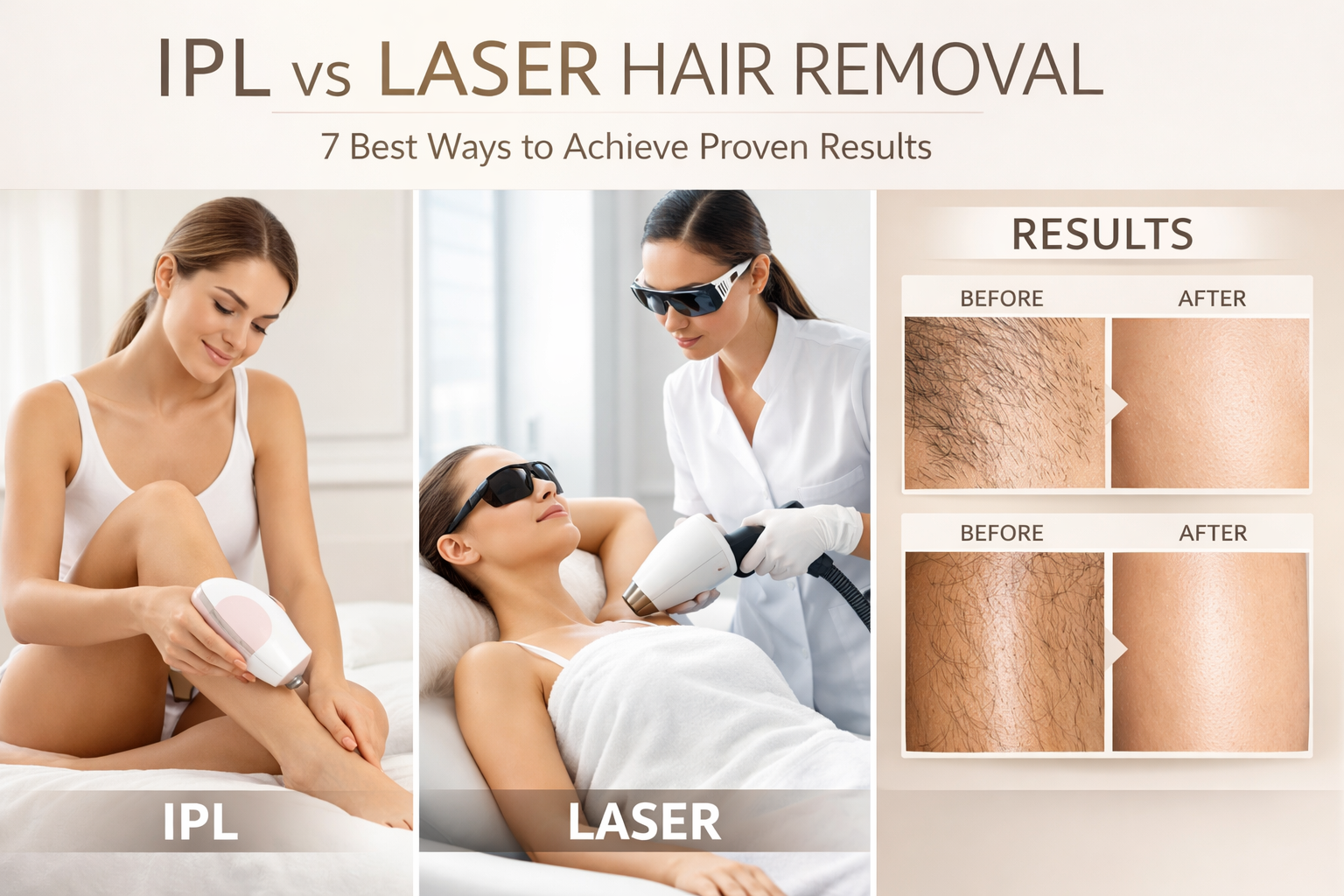
In luxury at-home beauty routines, “IPL vs laser hair removal differences” refers to how each technology works to reduce unwanted hair and how these differences affect comfort, cost, and results. IPL, or intense pulsed light, uses broad-spectrum flashes to heat and disable hair follicles. Laser devices, on the other hand, use a highly concentrated single wavelength for targeted follicle treatment. Both methods aim for long-term hair reduction, but the device design, energy delivery, and suitability across hair and skin types differ.
Premium at-home IPL devices are designed for convenience and safety, prioritizing features like skin and eye protection, intuitive controls, and sometimes smart cooling systems.
Understanding these differences helps you choose a solution aligned with your personal goals, comfort level, and expectations—essential for a satisfying investment in beauty technology.
Step-by-Step Guide: Using At-Home IPL Devices Safely and Effectively
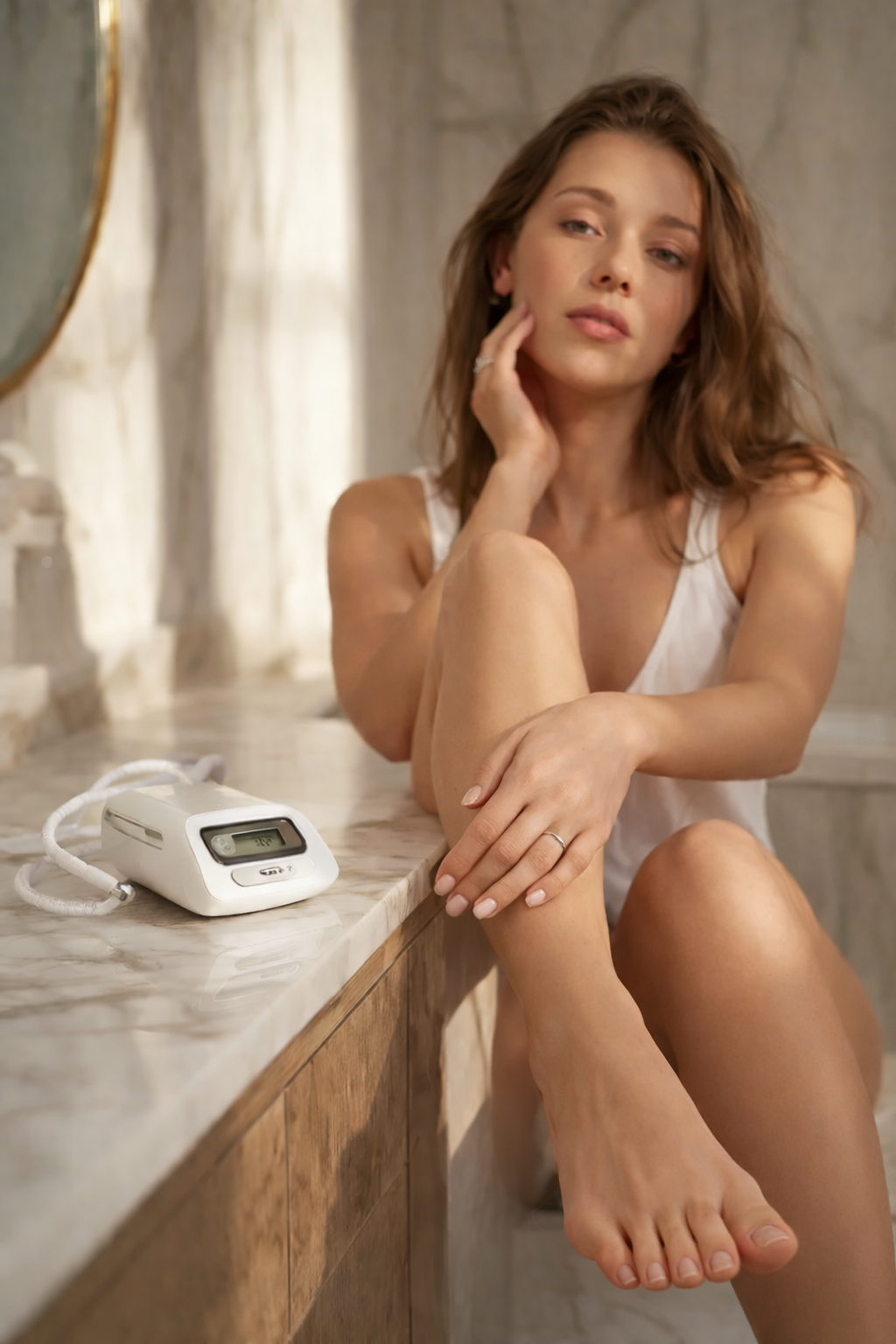
Experience with premium IPL devices relies on establishing a practical routine. Here are concise steps to help you achieve the best results without overpromising outcomes:
- Read the manual and safety information—every device may have unique guidelines. Confirm the IPL is compatible with your skin tone and hair color. Regulatory approvals, such as CE marking or FDA registration, ensure baseline safety, but not all home-use devices are medically equivalent to clinic systems. Source: At-home IPL device safety guide.
- Shave the area to be treated right before your session. Do not wax or pluck, as the root needs to remain for IPL to target pigment.
- Clean and dry the skin thoroughly. Skip creams, deodorants, or lotions immediately prior to use.
- Start with a patch test on a small section of intended area and wait 24 hours to rule out irritation or adverse responses. This is crucial with any new device, including advanced models reviewed in our Best IPL Hair Removal Device 2026 guide.
- Wear recommended eye protection, especially around facial areas. Many premium devices have built-in safety filters, though extra caution and/or goggles is wise.
- Select the correct intensity setting for your skin tone (most luxury IPL models include smart skin sensors). Begin on the lowest comfortable setting and increase only as advised.
- Treat the skin in small sections, ensuring even coverage. Move systematically to avoid missed patches or overlap.
- Stick to your schedule—usually every 1-2 weeks as outlined in your manual. Consistency is vital, as hair regrowth cycles vary.
- Moisturize after treatment, but avoid active ingredients like retinol or acids for a day.
- Avoid sun exposure before and after sessions. Use SPF and keep treated skin out of direct sunlight for best results and comfort.
For optimal comfort, many devices now include integrated cooling tips or ice-cooling features. Explore Cost Comparison .
💡 Pro Tip: Keep your IPL device lens clean and free of debris. Wipe the treatment window gently with a soft cloth after each session to ensure maximum light output and device longevity.
🔥 Hacks & Tricks: For sensitive or stubborn areas, perform treatments after a warm shower when your pores are open (but skin is dry). This can sometimes improve comfort and coverage.

Advanced Analysis & Common Pitfalls: Real-World Expectations and Drawbacks
While IPL offers a polished at-home alternative to in-clinic laser, understanding its limitations ensures satisfaction, not frustration. Here is what discerning buyers need to know according to the latest research:
Skin Tones, Hair Colors, and Outcome Gaps
IPL is generally most effective for those with lighter skin and darker hair. Devices work by selectively targeting the pigment in the hair follicle. If your hair is very light (blonde, grey, red) or your skin is deep or very dark, results may be less pronounced—or in some rare cases, side effects may be more likely.
Certain luxury devices claim adaptability for a range of tones, but not all are backed by thorough dermatological studies. Always use built-in skin sensors and perform patch tests.
Patience, Consistency, and Gradual Results
Unlike some clinic laser procedures, at-home IPL typically brings gradual improvements—most users notice smoother skin after several consistent sessions, not instantly. Months of routine use may be needed for meaningful reduction, and maintenance is ongoing. Be wary of any device promising instant, complete removal.
| Feature | At-Home IPL | Professional Laser |
|---|---|---|
| Device Energy | Gentle, broad light | Precise, single wavelength |
| Skin Type Suitability | Best for light-medium skin and dark hair; some adapt | Wider range with appropriate devices |
| Treatment Time | Several months for sustained results | Fewer sessions, but higher upfront cost |
| Maintenance | Ongoing, regular top-ups required | Annual touch-ups possible |
| Safety Features | Built-in sensors, eye protection, cooling (varies by brand) | Professional oversight, strict controls |
| Cost (1-3 years) | Upfront device cost | Session-based, often higher total |
Device Limitations and Compliance
Not all home-use devices include robust safety filters, such as water filters for eliminating higher wavelength emissions. Regulatory requirements vary—ideally, seek models with global certifications (CE, FDA). Learn more about device compliance in authoritative resources like the EvenSkyn safety guidelines.
Selecting the right at-home IPL requires critical evaluation—not every device or technology will be right for your needs, skin type, or personal safety requirements.

Conclusion: The Bottom Line on IPL vs Laser Hair Removal Differences
Selecting between at-home IPL and professional laser hair removal devices is a considered decision for luxury beauty enthusiasts—each approach offers distinct benefits, safety features, and pace of results. Advanced at-home devices can support consistent, sustainable self-care when used with patience and realistic goals. However, not all IPL or laser technologies are equal, and suitability will always depend on your skin, hair, and lifestyle.
Continue your research across our expert guides and compare trusted luxury models to decide which technology aligns with your self-care ambitions. If you need a deeper dive into the IPL vs laser hair removal differences, explore device-specific reviews or reach out to a specialist for personalized advice.
see our complete guide
FAQ: IPL vs Laser Hair Removal Differences for Home Users
Is at-home IPL hair removal safe for all skin tones?
No, most IPL devices are safest and most effective on light to medium skin with dark hair. Some advanced devices adapt to a wider range but always check the manufacturer’s skin tone chart and do a patch test first.
How long until I see results with a home IPL device?
Results are gradual and usually noticeable after several weeks of consistent, scheduled use. Some users may require several months to achieve visible reduction, and maintenance is needed for best outcomes.
Do IPL devices work on blonde, red, or grey hair?
Results are generally less consistent on light, grey, or red hair because these shades contain less pigment for IPL to target. Devices may not recognize or effectively treat hair without sufficient contrast.
Is eye protection necessary during at-home IPL treatments?
Yes. Even with built-in safety features, it is prudent to wear protective goggles, especially on facial areas. Never point the device near eyes and follow manufacturer safety recommendations.
Can I use a home IPL device for facial hair removal?
Some devices are designed with facial attachments and safety mechanisms, while others are not suitable for face use. Always confirm with the manual and start with a patch test on a small area if allowed.