


Ice cooling IPL hair removal is changing at-home hair reduction, promising less pain and minimal skin redness. But how well does it really work, is it safe for all skin types, and what should you know before buying or using an ice cooling IPL device? Here’s a clear, realistic guide to everything that matters about ice cooling IPL hair removal, including the real clinical facts and the hidden problems you will rarely see discussed online.
Key Takeaways
- Clinical research confirms that ice cooling is more effective than standard device-based cooling for reducing discomfort from IPL hair removal, but there’s still no direct clinical trial comparing both in 2026.
- There’s minimal user complaint data available—meaning you should scrutinize device reliability, and be aware that tech specifications and cost comparisons remain poorly documented.
- IPL hair removal with proper cooling can be used safely on all skin types, but detailed guidance for darker skin and official regulatory updates for ice cooling IPL in 2024 are missing.
- 1. The Core Concept of Ice Cooling IPL Hair Removal
- 2. Step-by-Step Guide: Using Ice Cooling IPL Effectively
- 3. Advanced Analysis & Common Pitfalls
- 4. Conclusion
- 5. FAQ: Ice Cooling IPL Hair Removal
The Core Concept of Ice Cooling IPL Hair Removal
Ice cooling IPL hair removal combines intense pulsed light (IPL) technology with active skin cooling, usually provided by built-in “ice cooling” plates or sapphire tips. The principle is simple: by cooling the skin surface before and during each flash of light, the pain is minimized, and the risk of unsightly redness or swelling is reduced.
Why is this important? IPL energy generates heat deep in the hair follicles—which is how it disables hair growth. That heat, though, also risks discomfort and surface side effects such as redness, swelling, or even skin burns, especially for those with sensitive skin or darker skin tones.
Ice cooling addresses these risks. It quickly cools the upper layers of the skin, making the session much more comfortable. Expert analysis shows ice cooling is “easily the best option for long-term and deeper skin cooling,” often outperforming air and cryogen spray tips[source].
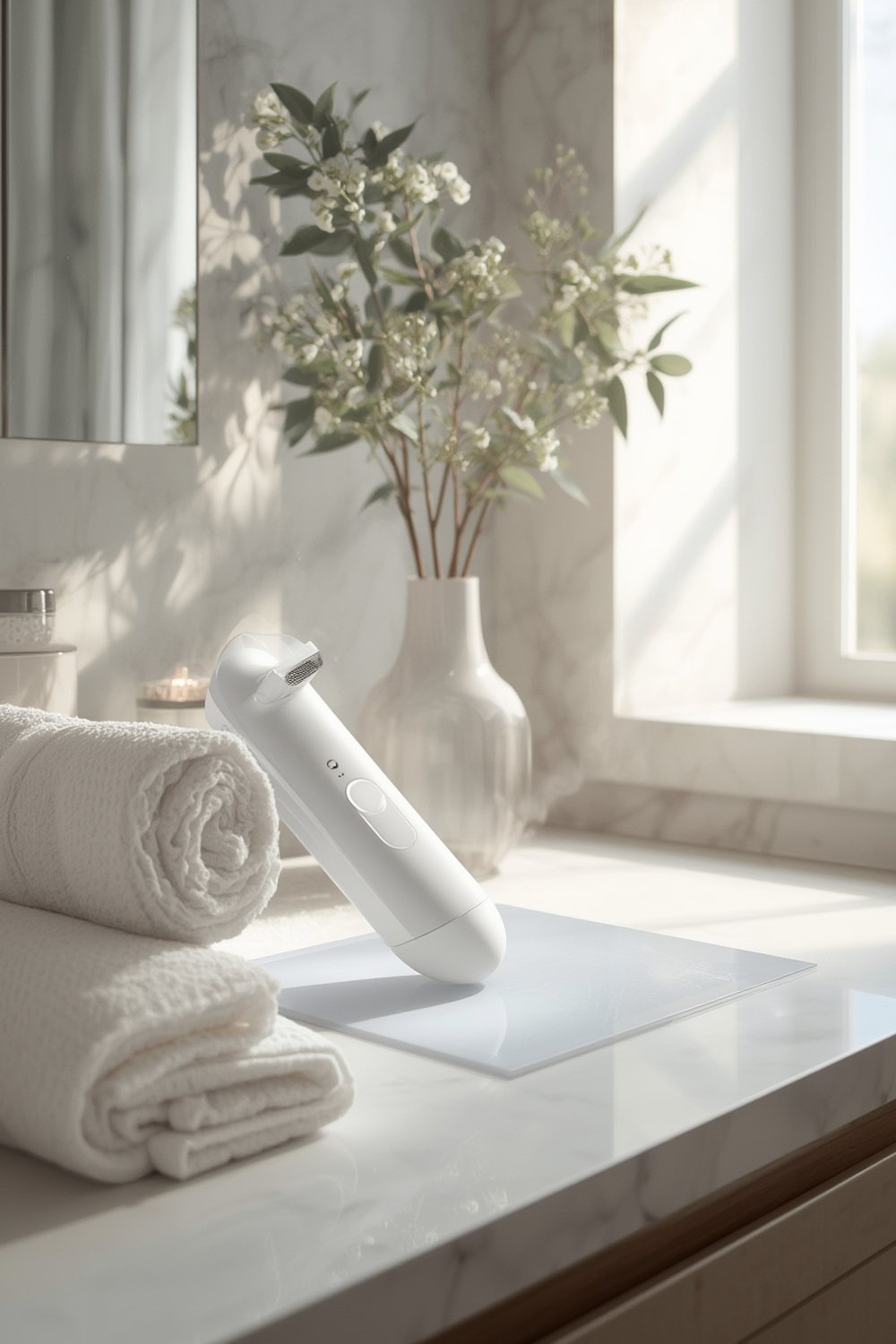
Whether you’re using an affordable IPL device or something more sophisticated like the JOVS Venus Pro II or other sapphire-based coolers, the core idea is the same: suppress discomfort, protect the skin, and improve the overall experience.
However, keep in mind: Most available research focuses on general IPL performance, not directly on the comparative performance of ice cooling features versus older designs. Always look for updated clinical evidence whenever you consider a device, as recommendations may evolve with new studies.
Step-by-Step Guide: Using Ice Cooling IPL Effectively
To maximize hair reduction while minimizing pain and redness, follow these actionable steps for at-home ice cooling IPL treatment:
- Shave the target area with a clean razor—do not wax or pluck before an IPL session.
- On clean, dry skin, apply the provided “ice cooling” tip or plate to the area for at least two minutes before the first flash. Some devices cool automatically during use; others require you to pre-cool with ice packs.
- Set your IPL device to the right intensity level for your skin tone and hair color. Always check the manual or brand’s chart.
- Start treatment, maintaining close contact between the cooled applicator and your skin.
- Flash each area once—do not overlap—then move to the next spot, continuing cooling in between if you notice any heat buildup.
- After the session, moisturize and avoid direct sunlight for 24 to 48 hours.
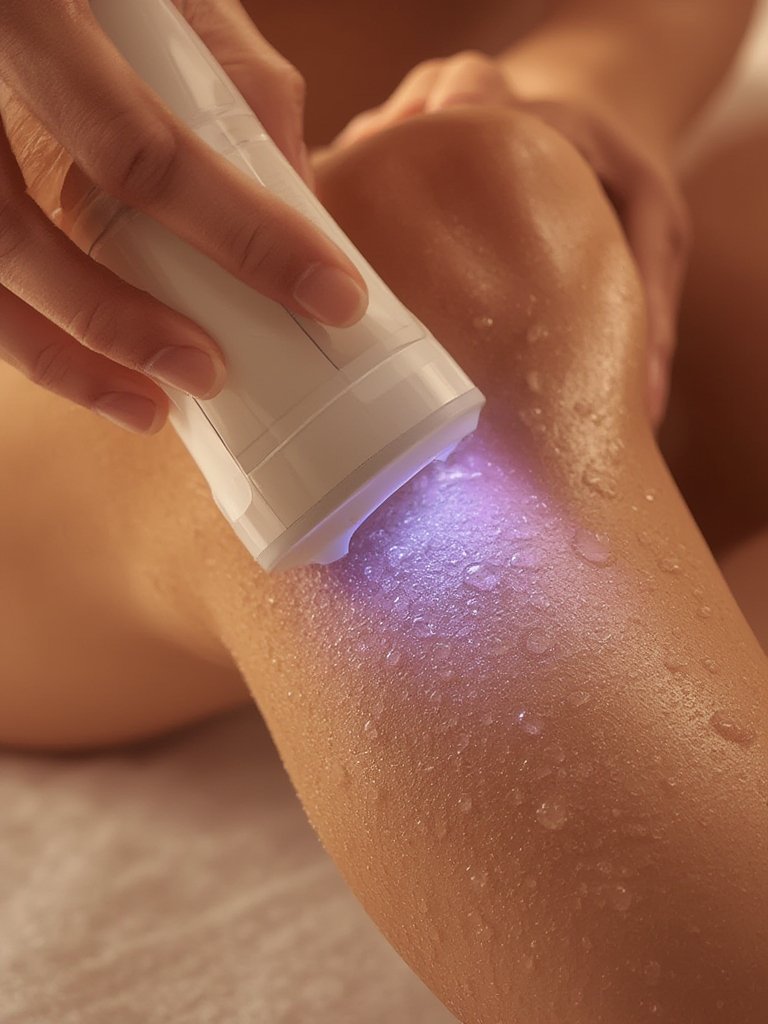
Repeat treatments according to your device’s schedule, usually weekly for the first one to two months, then monthly maintenance. Patience is key, as visible results may take 3-4 sessions.
Advanced Analysis & Common Pitfalls
Based on recent research and real-world user scenarios, it’s vital to be aware of these important pitfalls and limitations with ice cooling IPL hair removal:
- No Standard for Cooling Performance: Most brands don’t publish the cooling plate’s exact temperature range or details of heat dissipation. There’s little to verify how much cooler one device is versus another. A device may market “sapphire cooling” or “ice cooling” but with no published specs, consumer trust is all about the brand’s reputation. See JOVS Venus Pro II for typical manufacturer claims.
- Evidence Gap: There is no 2023-2024 clinical trial directly comparing ice cooling versus standard or air-cooled IPL hair removal. Available trials only show overall IPL performance—a recent NIH study of at-home IPL found about 72% hair reduction after three months, with only 25% of users experiencing mild, short-term redness[source].
- Unclear Reliability Data: User reviews rarely report in-depth on cooling system failures, maintenance, or long-term durability. That means you won’t find much guidance online about how ice cooling components hold up after months or years of repeated use.
- Pain and Erythema Still Possible: Even with ice cooling, some users may still experience mild discomfort, especially with higher IPL intensity or darker hair. In clinical laser studies (not direct IPL), over 99% of users experienced mild redness and swelling, but these reactions typically faded in a few days[source].
- Use on Darker Skin: New data confirms IPL can be effective on all skin types if devices use the right wavelength filters[source], but little is published about whether ice cooling further improves comfort or results for Fitzpatrick skin types 4 or higher. Always start with a patch test if you have deeper skin tones.
- Lack of Transparent Cost Information: Market reports show a booming global hair removal device market valued at over $1.1 billion in 2024, but do not break down prices by cooling technology.
| Feature | Ice Cooling IPL | Standard IPL |
|---|---|---|
| Surface Comfort | Minimal heat, less sting | Noticeable warmth, possible sting |
| Redness / Edema | Low risk, usually mild if present | Mild to moderate, fades in 1-2 days |
| Technical Data Transparency | Poor, specs rarely published | Poor, depends on brand |
| Upfront Cost | Unknown/varies | Unknown/varies |
If you notice a device stating both ice cooling and air or contact cooling, check their manual—these systems operate differently, and maintenance requirements may differ as well.

Conclusion
There’s strong evidence that ice cooling IPL hair removal delivers greater comfort than standard device cooling, especially for users who are sensitive to pain or heat during sessions. However, real-world data gaps remain—most notably in the lack of direct comparisons, published technical specifications, and user complaint data for ice cooling features. If you’re considering ice cooling IPL for safe, home-based hair reduction, always check the latest clinical research, and look for devices that are transparent about their safety standards.
FAQ: Ice Cooling IPL Hair Removal
How does ice cooling IPL hair removal work?
Ice cooling IPL hair removal uses light-based energy to target hair roots. An integrated cooling plate or tip cools the skin before and during the IPL flash, making the treatment more comfortable and reducing the risk of redness or swelling.
Is ice cooling IPL safe for dark or sensitive skin?
Studies show IPL can be used on all skin types with the correct settings. However, there is little clinical data on whether ice cooling technology further reduces discomfort specifically for darker skin tones. Always do a patch test and use the lowest energy setting first.
What’s the difference between ice cooling, contact cooling, and air cooling in IPL devices?
Ice cooling usually refers to active sapphire or metal plates that quickly draw heat from the skin. Contact cooling means the tip is simply colder than the skin and available throughout use, while air cooling blows cold air over the skin. Expert opinion recommends ice/cold plate cooling for the deepest effect.
How long does it take to see results?
Most users notice significant hair reduction after three to four sessions with regular weekly treatment. Clinical trials report up to 78% hair reduction after one month; results vary by device and individual consistency.
Are there any side effects with ice cooling IPL hair removal?
Side effects are typically mild. The most common are temporary redness (erythema) and minor swelling (edema), which usually resolve within a day or two. Burns and blisters are rare with correct use and cooling.