


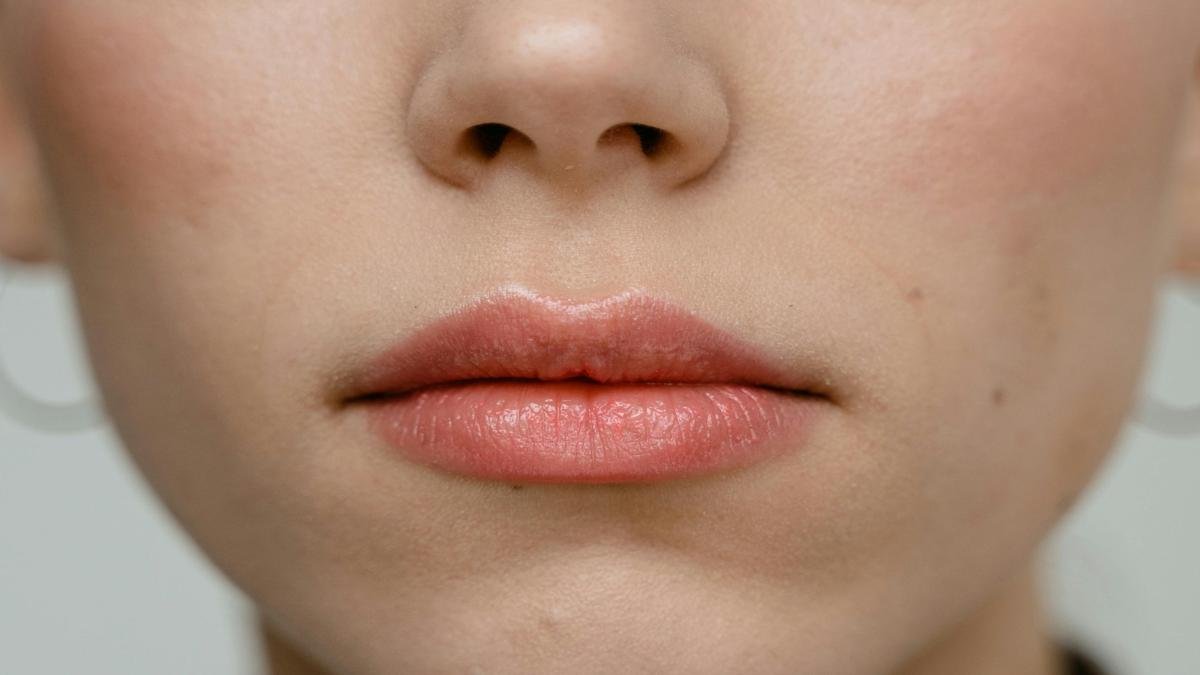
How to Prep Sensitive Skin Before IPL is a crucial subject for anyone exploring luxury at-home hair removal. If your skin reacts easily, feels dry, or flares up with new products, prepping for IPL or laser is truly different from common routines. Comfort, safety, and minimizing irritation come first—especially when investing in advanced beauty technology for sensitive skin and self care.
Key Takeaways
- Home IPL devices can cause mild redness or a warm sensation, even with gentle use, especially on sensitive skin.
- Choosing a premium IPL device with cooling features and adjustable intensity is essential for minimizing irritation.
- Results and comfort will vary—sensitive skin may need extra prep, slower routines, and realistic expectations about speed and outcome.
- What Does How to Prep Sensitive Skin Before IPL Mean?
- Step by Step Guide: How to Prep Sensitive Skin Before IPL
- Advanced Analysis and Common Pitfalls
- Conclusion & Next Steps
- FAQ: How to Prep Sensitive Skin Before IPL
What Does How to Prep Sensitive Skin Before IPL Mean?
“How to Prep Sensitive Skin Before IPL” refers to the targeted steps you take prior to an IPL (intense pulsed light) or laser hair removal session, all designed for extra comfort and barrier protection. For extremely sensitive skin, preparation is not just about hygiene—it includes smart device selection, gentle skincare adjustments, patch tests, and mindset shifts for at-home self care.
Why such care? Sensitive, reactive, or barrier-compromised skin shows a lower pain threshold and may be more prone to redness, warmth, or temporary discomfort, especially from heat-based beauty devices. With IPL, the goal isn’t just hair reduction—it’s to achieve smoothness with the least possible irritation or risk. Small but intentional prep decisions reduce downtime, support barrier recovery, and make luxury home treatment both achievable and enjoyable.
In long-term luxury routines, caring for sensitive skin before IPL sets the stage for consistent, sustainable results—avoiding cycles of reactivity, flaking, or abandonment. This is core self care: honoring comfort, informed by current dermatological consensus and clinical research (source).
Step by Step Guide: How to Prep Sensitive Skin Before IPL
1. Gentle Cleansing the Night Before
Use a fragrance-free, non-foaming cleanser to remove surface oils and daily buildup. Avoid scrubs or acids in the 48 hours leading up to your IPL session. Pat dry gently—never rub or overscrub.
2. Avoid Active Irritants Pre-Treatment
Pause all retinol, exfoliating acids (AHA/BHA), vitamin C, and benzoyl peroxide at least 3 days before treatment, especially if skin is already reactive. These ingredients increase photosensitivity and may heighten discomfort or redness.
3. Hydrate and Barrier-Prep (24 Hours Ahead)
Lightly moisturize with a ceramide-based, fragrance-free lotion the day before. If your skin is especially sensitive, consider a barrier-repair cream (source). However, always ensure skin is lotion-free, clean, and dry at the time of IPL treatment, unless your device manufacturer recommends otherwise.
4. Patch Test Is Essential
At least 24 hours before a full session, patch test the IPL device’s lowest setting on a small hidden area. Watch for redness, stinging, or delayed irritation. Never skip this step—small areas help confirm your skin’s threshold.
5. Choose the Right Device Setting
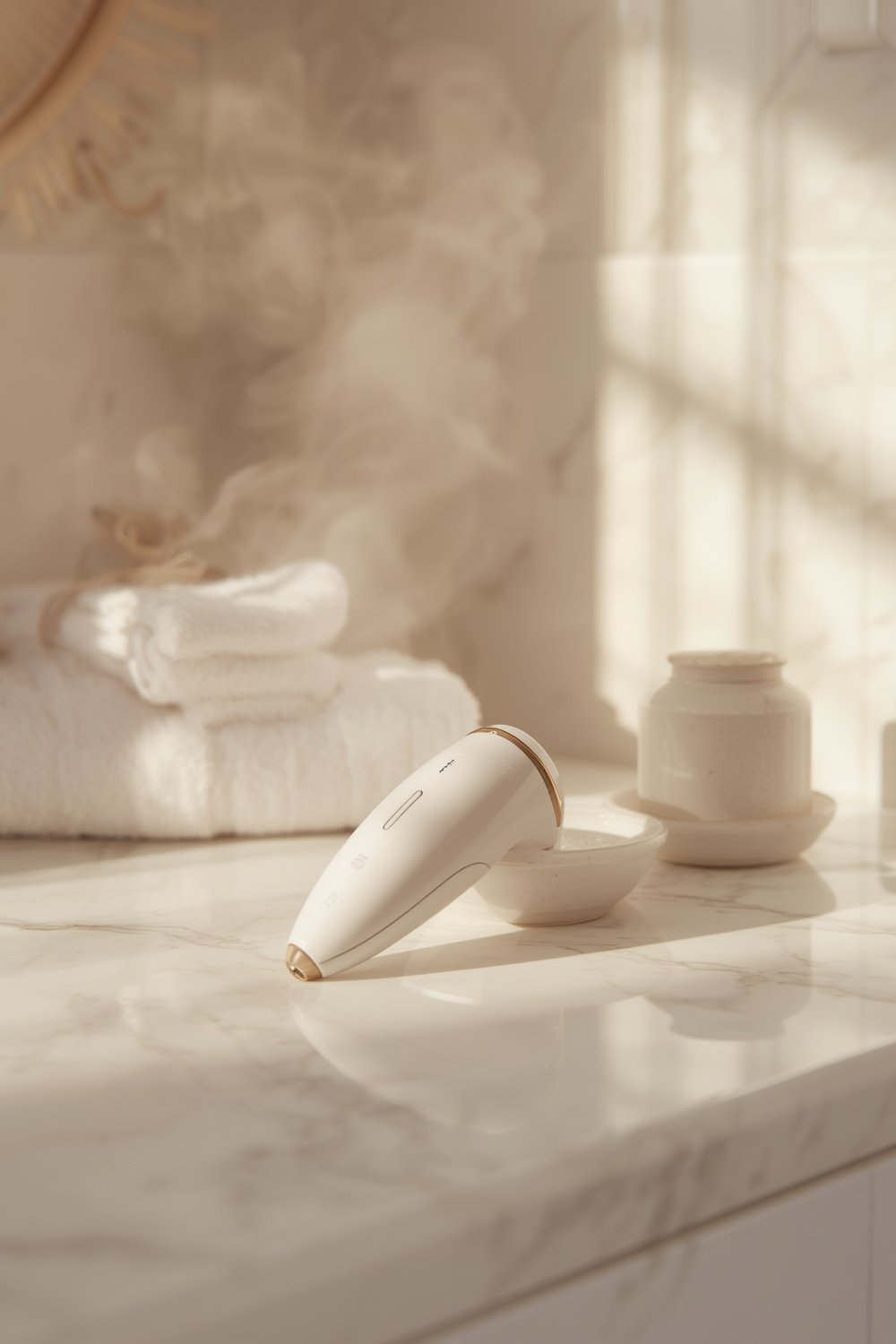
For extremely sensitive skin, select the lowest available energy setting. Most luxury IPL devices offer multiple intensity levels—always start low. Cooling features, such as ice-cooling IPL, are highly recommended for extra comfort .
6. Methodical Treatment Pacing
Move slowly, treating only a small area at a time. Do not overlap flashes, and always monitor comfort level. Take breaks if the skin feels hot.
7. Immediate Aftercare
After the session, apply a non-comedogenic, fragrance-free moisturizer or a barrier-repair cream. Many sensitive-skin users benefit from using a soothing mask post-treatment. Avoid sun exposure and always use a broad-spectrum, non-irritating mineral sunscreen if treated areas are exposed.
8. Consistency and Observation
Stick to recommended schedules from your device (often every two to four weeks). Reassess after each session—if sensitivity increases, pause and let your barrier recover fully. See practical examples
Advanced Analysis and Common Pitfalls
What Research Shows
Clinical studies confirm that IPL’s heat and energy output can produce temporary redness, stinging, and mild barrier disruption—even in healthy skin (reference). For sensitive or barrier-compromised skin, risk of irritation increases, though robust protocol data for home-device users is still limited. Low-energy protocols and routine use of barrier repair moisturizers post-treatment are supported by recent dermatology literature but pre-treatment specifics require more evidence (reference).
Common Pitfalls for Sensitive Skin Users
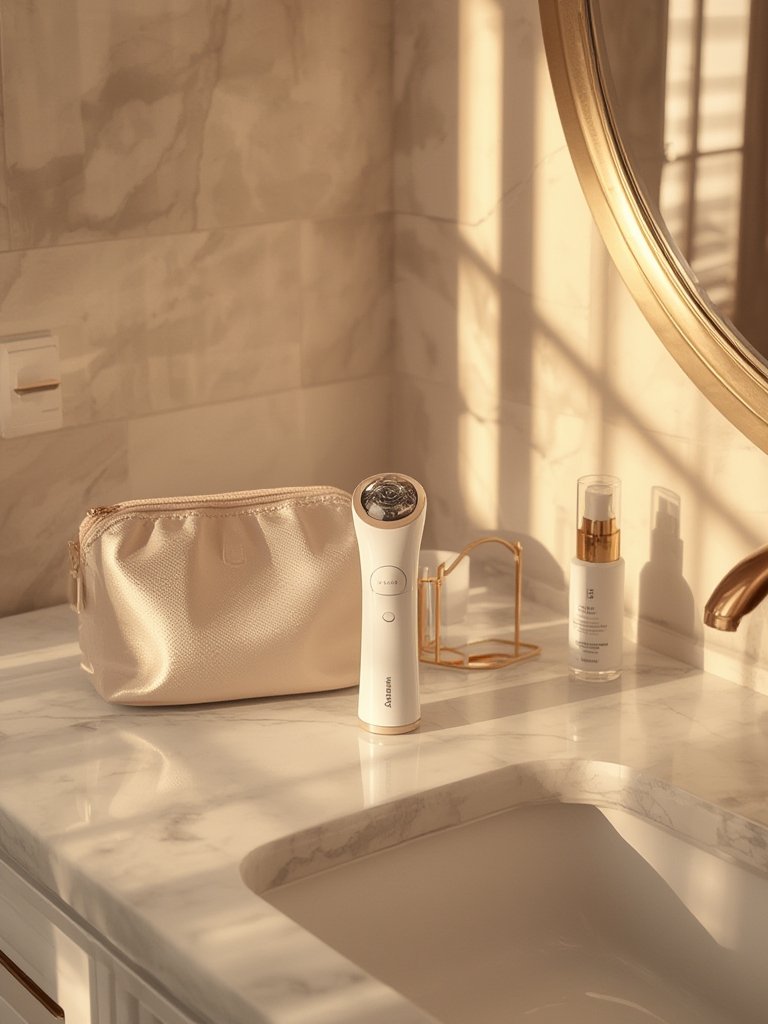
- Picking a device without cooling features or enough intensity options for gradual adaptation
- Skipping patch tests or neglecting to lower settings after minor reactions
- Doubling up on treatments or overlapping flashes, leading to heat buildup and discomfort
- Ignoring subtle warning signs: persistent redness, stinging, or delayed irritation
Why Results, Tolerance, and Comfort Vary
No home IPL device can guarantee a pain-free or irritation-free journey for everyone with sensitive skin. Reactions vary by skin tone, thickness, hair type, age, and pre-existing barrier health. While advanced models with ice-cooling heads offer better comfort, results depend on how carefully you prep and follow up. Not all hair colors (like very light blond or grey) or deeper skin tones are equally suitable for IPL—match device recommendations to your baseline skin and hair for safest results.
| Factor | Optimal Choice for Sensitive Skin | Common Pitfall |
|---|---|---|
| Device Technology | IPL with cooling, multiple intensity levels | Fixed-intensity, no cooling features |
| Prep Product | Barrier cream, fragrance-free moisturizer | Actives, scrubs, or perfume-heavy lotions |
| Intensity Setting | Lowest possible, adjusted up only after tolerance confirmed | Starting high or skipping patch test |
| Aftercare | Soothing mask, sunscreen, barrier repair | No aftercare, or sun/exfoliation exposure |
Conclusion & Next Steps
In summary, understanding how to prep sensitive skin before IPL is the key to a gentle, enjoyable hair removal journey at home. While clinical research supports post-treatment care and low-intensity routines, solid data for pre-treatment barriers and specific home-device protocols is still emerging. Be patient, prioritize comfort, hydrate diligently, perform patch tests, and allow your skin to guide your IPL rhythm.
If you have extremely sensitive or reactive skin, consider further research and comparison—including device selection and aftercare routines. For a step-by-step sensitive skin routine, follow our guide here. For product reviews and device recommendations, explore our in-depth IPL review page.
FAQ: How to Prep Sensitive Skin Before IPL
Is IPL hair removal safe for extremely sensitive skin?
When used with the lowest energy setting, patch testing, and aftercare, IPL can suit some sensitive-skinned users. However, reactions and results vary. Seek professional advice if your skin is highly reactive or has a compromised barrier.
How long should I pause exfoliating skincare before IPL?
It is safest to stop exfoliating acids, scrubs, and retinoids for at least 3 days before and after IPL. This helps prevent irritation and boosts the skin’s natural resilience.
Can I moisturize right before an IPL session?
Apply moisturizer up to 12 hours before, but ensure skin is totally clean—no lotions or creams—immediately before IPL. Check your device instructions, as some brands allow a light layer of gel on treated areas.
How do I know if my patch test has passed?
If there is no redness, stinging, or lingering sensitivity 24 hours after the test, your skin likely tolerated that IPL setting. Always err on the side of caution and lower intensity if uncertain.
What if I get redness or stinging after IPL?
Apply a soothing, barrier-repair moisturizer. Avoid heat, hot showers, or further treatments until the skin is calm. If reactions persist more than 48 hours, seek professional skin advice.