


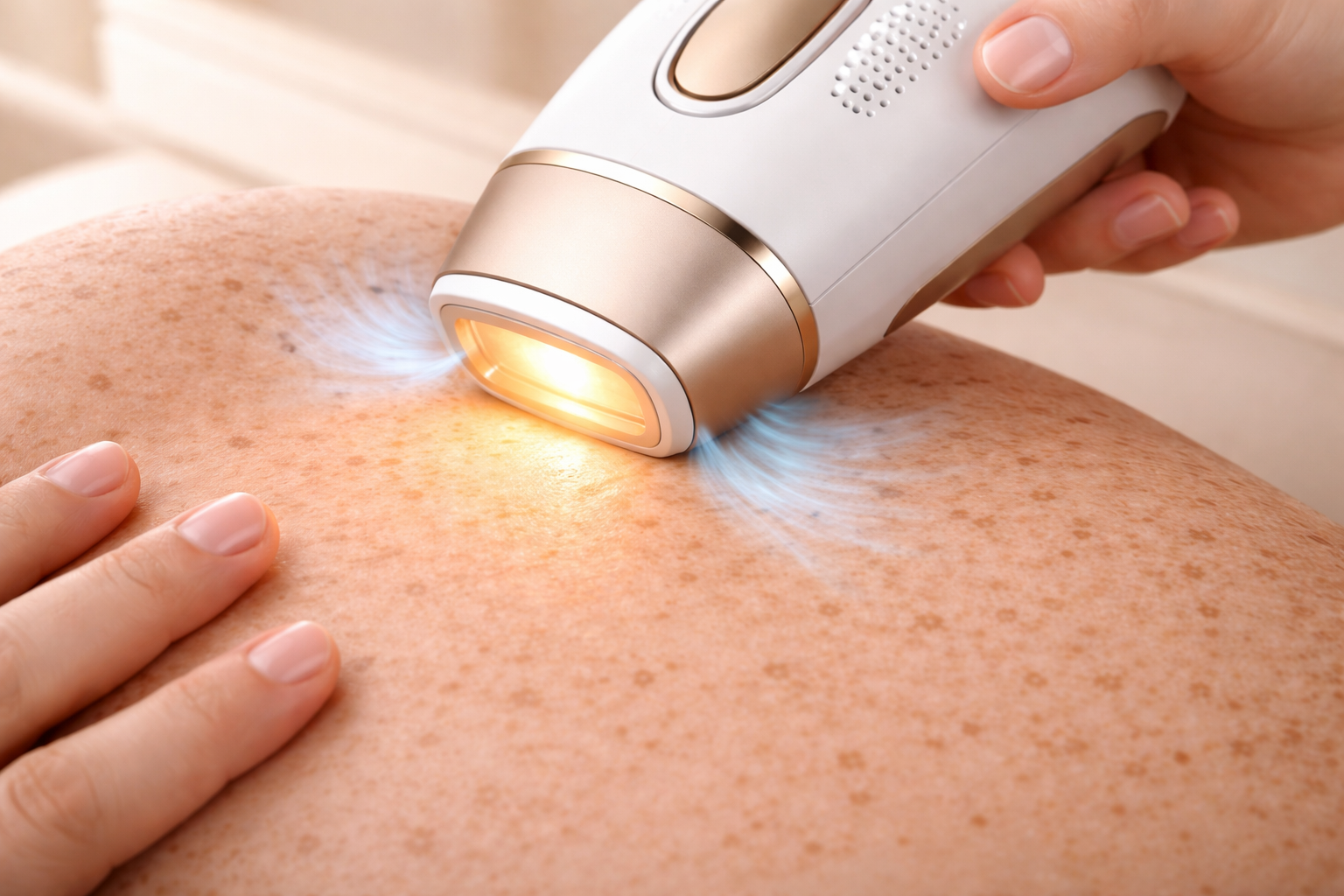
Low Heat IPL Technology Explained: 7 Ways It Reduces Pain Safely is an essential guide for anyone with extremely sensitive skin considering at-home hair removal. As luxury beauty technology evolves, more premium IPL devices offer lower heat approaches that aim to minimize discomfort, but real results depend on careful planning, realistic expectations, and gentle aftercare. Whether you seek relief from stinging, want to reduce irritation, or simply prefer a calm, comfortable experience, understanding how low-heat IPL works can help you make smarter, safer decisions in your home self care journey.
Key Takeaways
- Most at-home IPL devices require consistent use and patience to see gradual results, even with low-heat options.
- Choosing a premium IPL device with specialized low-heat modes or built-in cooling is vital for extremely sensitive skin.
- Low-heat IPL greatly reduces, but may not fully eliminate, mild discomfort or short-term redness for everyone.
- How Low Heat IPL Technology Works
- Step by Step Guide: Using Low Heat IPL Safely at Home
- Advanced Analysis and Common Pitfalls
- Conclusion
- FAQ
How Low Heat IPL Technology Explained: 7 Ways It Reduces Pain Safely
Low heat IPL refers to Intense Pulsed Light devices that are specifically engineered to emit energy at lower temperature ranges or to distribute heat more gradually across the skin, compared to traditional IPL or laser devices. For people with extremely sensitive skin, this technology aims to minimize that familiar sharp sting—sometimes described as a “rubber band snap”—and instead delivers a more gentle, warming sensation.
Premium at-home IPL devices achieve this by:
- Lowering the energy per flash while increasing frequency, for a steady and softer effect.
- Incorporating built-in cooling plates or applicator tips kept cool throughout treatment.
- Offering customizable intensity levels tailored to individual skin comfort.
- Shortening burst durations so less residual heat accumulates on the skin surface.
For a luxury self care routine, this means less likelihood of post-treatment redness, swelling, or surface irritation. It also allows those with sensitive skin to maintain consistent routines, which is crucial for visible long term results. IPL is a gradual approach—it supports cumulative improvement rather than instant transformation—which often suits those seeking refined, considerate self care rather than aggressive interventions.
For more gentle routines and device options designed for sensitivity, visit How Long To Avoid Perfumed Lotion After IPL On Sensitive Skin: 5 Safe Ways To Protect Skin (Proven Guide)
Step by Step Guide: Using Low Heat IPL Safely at Home
Preparation and Choosing the Right Device
Not all IPL devices are created equal—especially for sensitive skin. Carefully review product specifications and real user feedback. Prioritize devices that specifically offer adjustable low-heat modes, integrated cooling, or have been designed and marketed as safe for sensitive areas.
Before your first session, trim or shave the targeted area to remove surface hair. This allows the IPL energy to focus on the root and reduces the risk of surface heat or singeing.
Patch Testing is Essential
Always begin with a patch test on a small, discreet area. Wait 24 hours to check for delayed redness, irritation, or swelling. If you experience excessive heat or prolonged discomfort, discontinue use and reassess device settings.
Selecting Your Intensity Setting
With sensitive skin, it is safest to start at the lowest energy or heat setting—especially with a new device. Gradually increase only if you tolerate the sensation well, and never in consecutive sessions. Many luxury IPL devices offer guided “skin sensor” options to help select your level automatically.
Treatment Pacing and Technique
Move the treatment window in smooth, overlapping passes to avoid missing areas but never linger too long on one spot. Take short breaks if your skin starts to feel warm. Do not force rapid progress—effective results take weeks of steady, gentle sessions.
Aftercare and Soothing
Immediately after use, apply a cool, fragrance-free gel or a damp cloth to soothe the skin. Avoid hot showers, perfumes, exfoliants, or acids (like AHA/BHA) for at least 24 to 48 hours. Continue monitoring for any delayed irritation.
If you want sample routines and real user schedules for sensitive skin, see our full guide
If you are ready to compare luxury low-heat IPL devices and see which models best suit sensitive skin, explore our Best IPL Device for Sensitive Skin .
Advanced Analysis and Common Pitfalls
Despite strong marketing claims, current research lacks definitive clinical evidence comparing pain levels between low-heat IPL and standard IPL or lasers. Most available data are based on user reviews and practitioner insights, not scientific trials. Always approach new devices with reasonable caution, especially if your skin reacts unpredictably.
Skin Tone and Hair Color Limitations
Low heat IPL technology, like all IPL, works best on lighter skin tones with darker hair. People with naturally dark skin or very light/blonde hair may experience less effective results, or in rare cases, increased surface sensitivity or risk of temporary pigment change. The American Academy of Dermatology emphasizes careful selection and patch testing for diverse skin tones.
Managing Heat Buildup and Mild Discomfort
Even with advanced cooling and lower energy, minor heat buildup can still occur—especially during longer sessions or when treating coarse hair. This can lead to temporary redness or sensitivity. To reduce risk:
- Limit session durations
- Use appropriate device settings
- Allow full recovery before re-treating the same area
Why Results Vary by User
Pain perception and sensitivity can differ dramatically based on genetic factors, skin condition, recent sun exposure, and daily skincare products. Some luxury IPL users report a painless, almost spa-like sensation while others may notice persistent tingling or mild discomfort, even at the lowest settings. Set gentle, realistic expectations and adjust your schedule over time.
fro more : Not Seeing IPL Results Yet? made for you 7 Proven Ways to Achieve Smooth Skin
| Feature | Standard IPL | Low-Heat IPL |
|---|---|---|
| Energy per flash | Moderate to high | Low to moderate |
| Comfort for sensitive skin | Mid-range | Higher—less stinging |
| Cooling features | Varies (rare) | Often included |
| Time to visible results | Several weeks | Several weeks (similar) |
For regulatory basics and more thoughtful safety tips, see guidelines from the US FDA on home laser and IPL hair removal devices.
Conclusion
Low Heat IPL Technology Explained: 7 Ways It Reduces Pain Safely is about understanding both the promise and the practical limits of advanced at-home IPL. For extremely sensitive skin, low-heat options offer a more tolerable experience—but no device can guarantee total painlessness or absence of irritation. Focus on careful preparation, patch testing, and device choice for optimal comfort. Invest time in learning your skin’s responses and be open to adjusting frequency or sensation settings. For those wanting more tailored advice and honest reviews, compare a range of options and consult expert resources before purchasing. See the latest deals today
Frequently Asked Questions
Can low heat IPL technology completely eliminate pain during hair removal?
No device can promise absolutely pain-free results for everyone, but low-heat IPL is designed to significantly lower discomfort levels, especially for sensitive skin.
Are low-heat IPL devices suitable for all skin tones and hair colors?
Most are safest and most effective on light to medium skin with dark hair. Always check device guidelines for compatibility with your skin and hair type.
What should I do if my skin becomes red or irritated after a low-heat IPL session?
Apply a cool, fragrance-free gel and avoid strong skincare products for at least 24 hours. If irritation persists, pause treatments and consult a professional.
How quickly will I see lasting results with low-heat IPL for sensitive skin?
Most users require at least four to twelve weeks of consistent, gentle treatments before noticing significant reduction in hair growth.
Is professional consultation necessary before starting at-home low-heat IPL?
While many home devices are straightforward, those with diagnosed skin conditions or chronic sensitivity should consult a dermatologist before starting a new regimen.